What Is a Solarium? Definition & Decorating
Soak up the sun.

Looking to bring more natural light into your home? A solarium is an all-glass room designed to give you panoramic views of the outdoors and sky. In this guide, we break down what makes a solarium unique, how it differs from a traditional sunroom or greenhouse, and ideas for how to use and furnish your solarium.
Solarium Definition
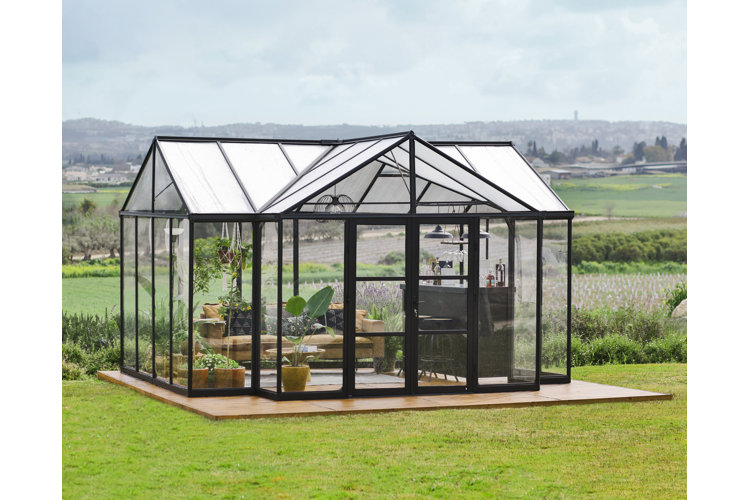
A solarium is a room made entirely of glass – this includes all four walls and the roof. It can either be connected to a house or exist as a freestanding structure in the yard. The glass structure is designed to maximize the amount of natural sunlight that enters the room, so you can enjoy unobstructed light and panoramic views all year round. While it looks similar to a greenhouse, they differ in their intended uses. While greenhouses are meant for plants, solariums function as additional living spaces.
Solarium vs. Sunroom vs. Greenhouse
| Room | Structure | Best for | Comfort |
|---|---|---|---|
| Solarium | All-glass walls + roof | Sun and views | Big temp swings |
| Sunroom | Windows, solid roof | Daily living | More insulated |
| Greenhouse | Glass or panels | Growing plants | Not a hangout |
| Conservatory | Glass, formal frame | Sitting room | Like a solarium |
Solarium
Solariums are somewhere between sunrooms and greenhouses – they have the all-glass structure of a greenhouse with the living area functionality of a sunroom. Solariums feature glass walls and ceiling but require more temperature regulation so they remain comfortable for lounging year-round.
Sunroom
Rather than all-glass framing, a sunroom mirrors your home’s existing architecture, siding, and roofline, connecting straight to your central HVAC system for reliable, four-season climate control. It’s built as a true interior living space, just with more windows to allow in natural light. Unlike solariums, sunrooms have a solid roof to block direct overhead sunlight for more regulated temperatures.
Greenhouse
While both solariums and greenhouses feature extensive glass or polycarbonate paneling to maximize sunlight, a greenhouse is built specifically to regulate humidity, soil moisture, and airflow with specialized roof ridge vents, misting setups, and functional floor drainage. Its purpose is cultivating seedlings, exotic tropicals, and year-round greens.
Pros & Cons of a Solarium
Pros
- Glass walls give an unobstructed view of nature
- Glass ceiling allows ample sunlight
- No mosquitoes or other insects to bother you
- Can function as additional living space
Cons
- Glass walls and roof require cleaning
- Minimal insulation, not energy efficient
- High maintenance costs
- No privacy
What Is a Solarium Used for?
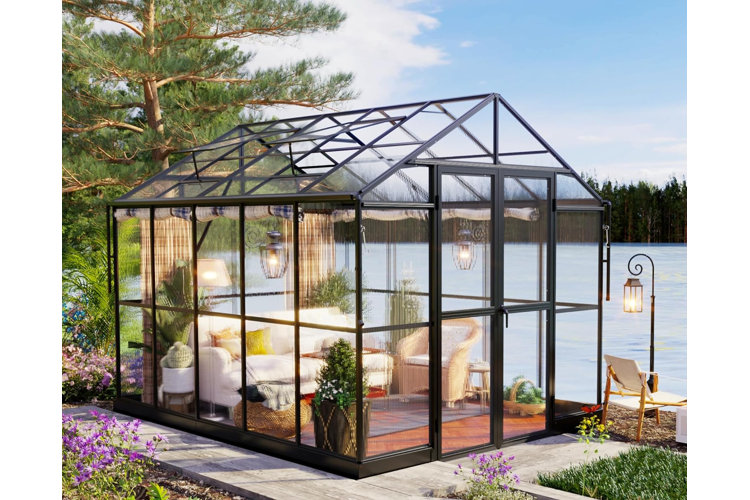
Whether you choose to add a solarium as an attachment to your house or install a freestanding structure in your yard, its purpose is to provide you with access to sunlight throughout the year, without having to be outdoors. From there, the opportunities are endless.
Everyday Lounging & Downtime
Their sheltered proximity to the great outdoors makes solariums a popular choice for rest and relaxation. Add lounge furniture – like a chaise or outdoor sofa – for a comfortable place to unwind and soak up the sun. Layer in an outdoor area rug and pillows to keep the space feeling inviting and cozy.
Casual Dining & Small Gatherings
With panoramic views and generous natural light, a solarium works perfectly as a bright breakfast nook, a relaxed spot for family dinners, or a scenic backdrop for hosting friends. Anchor the center of the solarium with a patio dining set or a small-space-friendly bistro set as a gathering spot. Then add a serving cart or bar to make hosting a breeze.
Dedicated Plant Displays
Because glass enclosures provide optimal light throughout the year, solariums function well as open, home-friendly greenhouses. Lean into the constant natural sunlight by using the area to grow and showcase a wide range of indoor plants. Use plant stands, floor pots, and hanging planters for a dimensional and luscious display of greenery.
Three-Season vs. Four-Season Solarium
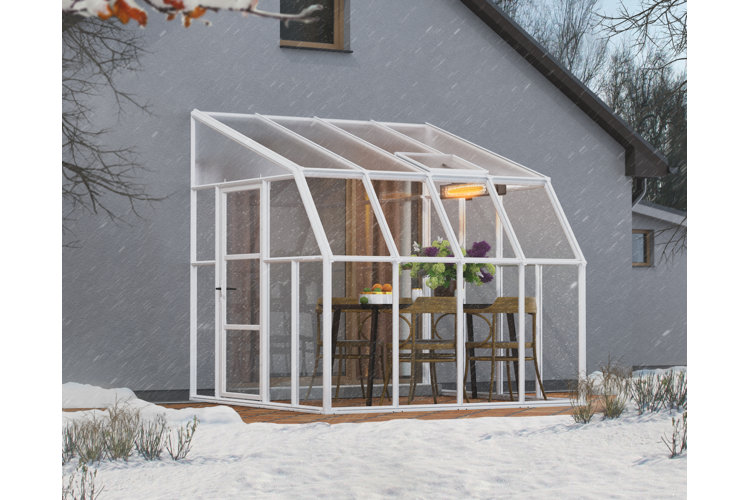
Because solariums are primarily made of glass, they are not well insulated. Depending on your desired use of a solarium, you’ll need to outfit it to handle seasonal weather. A three-season solarium is a glass room that’s fit for use in the spring, summer, and fall. It will run hot in July and cold in January unless you add a way to move air and temper it. A four-season solarium is the same sort of glass structure but features better glazing plus heating and cooling elements so you can use it comfortably year round.
How to Furnish a Solarium & Keep It Comfortable
| Problem | When | Add this |
|---|---|---|
| Too hot | Summer | Evaporative cooler |
| Too cold | Winter | Space heater |
| Stuffy air | Any season | Portable fan |
| Fading fabric | Year-round | UV-safe seating |
Furnish a solarium the way you would furnish a covered patio or outdoor living room. Choose seating that can handle temperature swings and is UV-resistant. A standard living-room sofa will fade and feel clammy in a solarium, but patio seating made with performance fabric is a safe bet. An outdoor area rug will help insulate the floor, provide softness underfoot, and is durable enough to handle direct sunlight.
Then add a way to control the climate in your solarium for year-round comfort. A space heater will keep you cozy in the winter, an evaporative cooler will feel refreshing in the summer, and portable fans will prevent stagnant air. For additional comfort, add outdoor pillows and keep spare blankets handy to curl up with.
Frequently Asked Questions
What is a solarium?
A solarium is a room with glass walls and a glass roof, attached to a house or freestanding. It is built to bring in sunlight and outdoor views. This guide is about that home room, not a tanning salon.
What is the difference between a solarium and a sunroom?
A solarium is glass on all sides and overhead. A sunroom uses more windows than a normal room but keeps a solid roof and some solid walls, so it stays closer to indoor comfort.
What is a solarium used for?
People use a solarium as a sitting room, dining spot, reading nook, or a place to grow plants. It works best with outdoor-rated or UV-resistant furniture.
What are the disadvantages of a solarium?
Glass rooms swing hot in summer and cold in winter, need frequent cleaning, and offer little privacy. They are usually less energy efficient than an insulated sunroom.
Is a solarium the same as a greenhouse?
They can look alike, but a greenhouse is for growing plants and a solarium is a living space. A solarium can hold plants. A greenhouse is not meant as a daily room.
Do you need a solarium?
Add one if you want a glass room for light and views and can manage heat, cold, and cleaning. Choose a sunroom instead if you want a space you can use like a normal living room all year.
