What Is a Shower Pan? & How to Choose One
Read this first before you remodel or upgrade your shower.
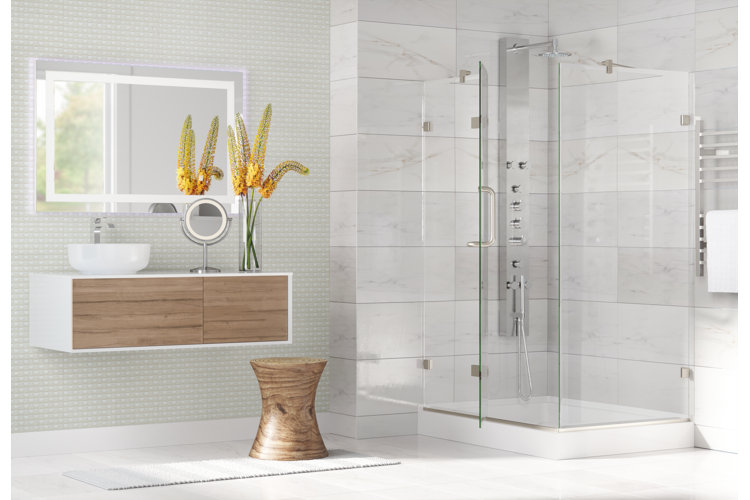
A shower pan is actually significant to the proper function of your shower and whether the water drains properly. Keep reading to learn more about the purpose of a shower pan and how to choose one.
What Is a Shower Pan?
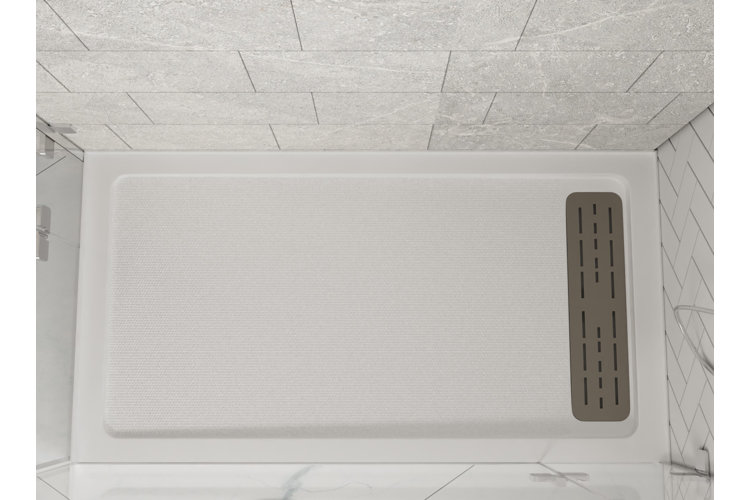
A shower pan acts as a barrier between the subfloor and the shower. Shower pans are a slightly sloped insert of waterproof material placed on top of a shower base to protect against any leaks and to ensure that the water flows toward the drain. Its job is important – it's like a funnel that directs the water in your shower to go down the drain – preventing leaks and water-related damage. Most shower pans will also have a threshold and sidewalls, which further helps direct the water and keep it contained.
Shower Pan vs. Shower Base
You'll often hear “shower pan” and “shower base” used interchangeably. Both a shower pan and a shower base direct the water towards the drain. The key difference between the shower pan and shower base is the location.
- The pan is the actual floor of the shower, while the shower base is beneath the pan and is part of the bath substructure.
- A shower base is usually made of waterproof cement mortar, while shower pans come in a wide range of materials like fiberglass or acrylic.
How to Select the Right Shower Pan
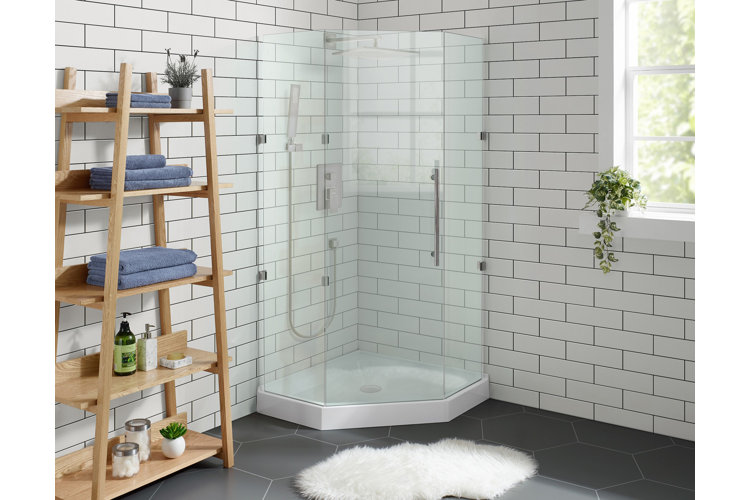
Whether you're starting the building process from scratch or you're replacing an existing shower pan, here's how to select the right one.
1. Determine the Right Size
The size of the pan you choose depends on the size of your shower. You should measure the length and width of your shower before picking a pan that fits snug inside the shower walls. Read Your Guide to Shower Pan Sizes for more info on choosing the correct option for your bathroom.
2. Consider the Best Shape
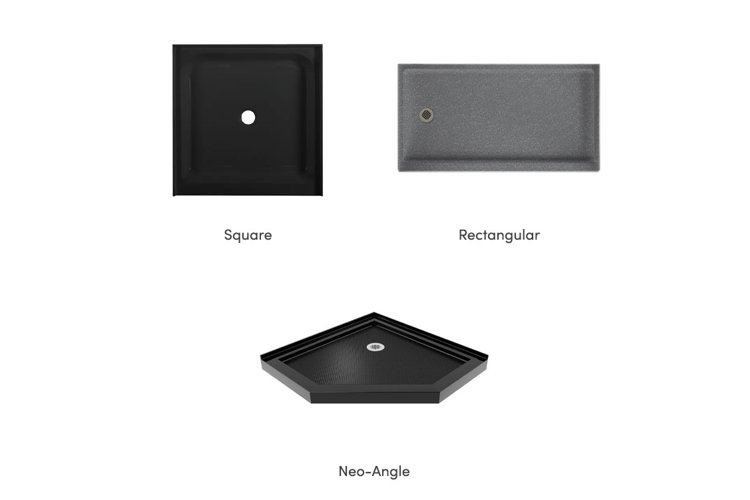
The shape of the shower pan is an important consideration too. Most pans come in a rectangular, square, or an angled option. Rectangular shower pans are considered standard, while square alternatives are perfect for narrow or small-space shower enclosures. You can also use an angled option to fit an irregular-shaped shower floor, such as showers installed in a corner.
3. Pick a Suitable Drain Location
The location of your shower drain is something you'll need to know before you purchase a shower pan. The shower pan's drain holes need to align with your shower design, otherwise the water will not drain properly. For more information on the different types of shower drains, read Types of Shower Drains & How They Work.
4. Go Over Material Options
You'll see your shower pan daily, so the material choice is important from both a function and design standpoint.
- Fiberglass: This sleek material is made from extremely fine fibers of glass. This option is typically the least expensive, but it might be prone to staining.
- Acrylic: Also an economical solution, this material offers more customization than fiberglass, such as nonslip surface or molded shower seat options.
- Stone: A natural stone shower pan is easy to keep clean and is highly durable, lasting for years. There are a wide variety of stone options and designs to choose between.
- Composite: This is a mixture of materials molded into a single layer, which often includes stone, fiberglass, and acrylic. It gives you greater durability than fiberglass alone, requires less maintenance, and includes added features like a non-slip quality.
- Tile: Tile is another durable shower pan material choice that can last for years. Installed atop a tile-ready shower base, the design choices for tile are practically endless!
5. Consider ADA-Compliant Options
An ADA-compliant shower pan typically refers to a non-slip version. These pans also include a lower threshold to make entry into the shower as easy as possible.
Frequently Asked Questions
Do you need a shower pan in a tiled shower?
Yes, shower pans prevent leaks.
What materials are shower pans made of?
Shower pans are typically made from acrylic, fiberglass, and tile mortar.
How long do shower pans last?
Shower pans last around 10–20 years depending on material.
You Might Also Like
Article by Sara Coleman.
