What Is a Cruet? Types, Materials, & Uses
Functional kitchen decor.
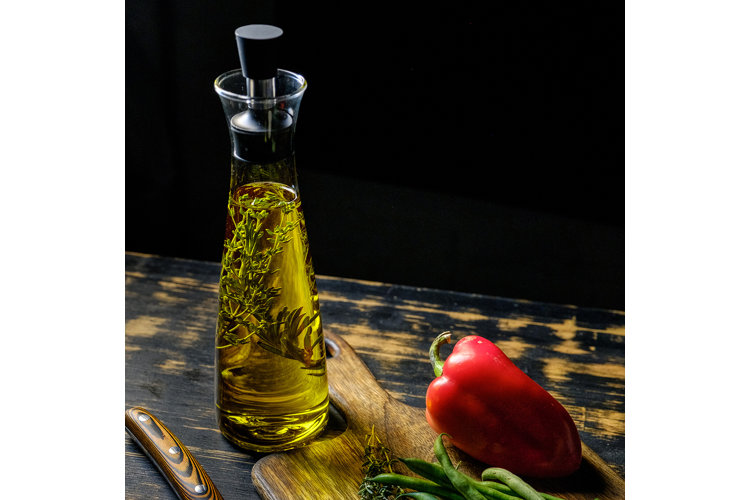
A cruet is a small bottle or container used to store and pour liquid condiments – most commonly olive oil and vinegar – at the dining table or kitchen counter. Cruets usually feature a flat, wide bottom for stability, a narrow neck for controlled pouring, and a cork or glass stopper (or precision spout) to safely contain the liquid and preserve freshness.
In ancient times, the word "cruet" typically described a ritual flask used for religious ceremonies. Since the 17th century, the term has evolved to refer primarily to decorative and functional tableware containers used for oil, vinegar, salad dressings, and other liquid seasonings.
What Is a Cruet Used For?

A cruet provides a simple, stylish way to store and present liquid condiments on kitchen countertops or dining tables. Well-sealed cruets protect contents from light, oxygen, and heat, keeping premium oils and vinegars fresh for up to four months longer than open bottles.
Oil, Vinegar, & Everyday Condiments
Cruets are most famous for holding olive oil and vinegar, giving you precise pour control whether drizzling over weeknight salads or crusty bread. Culinary enthusiasts who experiment with herb- or citrus-infused oils can easily sample small batches using a cruet’s spout. Beyond oil and vinegar, modern cruets are regularly used to store everyday kitchen staples like soy sauce, hot sauce, maple syrup, and liquid salad dressings.
Dining Table Cruets vs. Church Cruets
While everyday dining-table cruets are designed for household kitchen and tabletop use, the term also has a liturgical history. In Christian traditions, such as the Catholic Mass, church cruets are small ceremonial glass or metal pitchers used to hold the altar wine and water during Eucharist preparation. Modern home goods and culinary guides focus strictly on tableware and kitchen cruets.
What Is a Cruet Set?
A cruet set is a matched group of two or more cruet bottles designed to live together on the table – most commonly a paired oil bottle and vinegar bottle. Many sets include a matching wire, wood, or ceramic caddie for easy carrying, while larger sets may also incorporate coordinating salt and pepper shakers or sauce dispensers. Choose a cruet set when you want a uniform, cohesive look for table settings or gift-giving.
Types of Cruets at a Glance
| Cruet type | Typical use | Pour style | Best for |
|---|---|---|---|
| Oil and vinegar cruet | Olive oil, vinegar, dressing | Spout or stopper | Weeknight salads, tableside drizzle |
| Cruet set | Matched oil and vinegar pair | Twin bottles, often with caddy | Dining tables and gift-giving |
| Squeeze-bottle cruet | Ketchup, mustard, sauces | Squeeze nozzle | Kids, outdoor meals, precise pours |
| Decorative or crystal cruet | Oil, vinegar, display | Stopper, ornamental body | Host gifts and styled tabletops |
Depending on your cooking style and dining setup, there are several types of cruets designed for specific liquids and pour styles.
Oil & Vinegar Cruets
Designed specifically for this essential flavoring duo, these containers are available as standalone bottles, matching pairs, or clever dual-chamber glass designs that keep oil and vinegar in separate compartments within one bottle.
Squeeze-Bottle Cruets
Typically made from flexible, BPA-free plastic with standard or precision nozzles, squeeze-bottle cruets offer clean dispensing with zero drips. Clear designs make it simple to quickly identify everyday condiments like ketchup, mustard, mayonnaise, honey, or barbecue sauce.
Decorative & Single-Use Cruets
Decorative cruets come in patterned ceramics, cut crystal, or unique blown-glass shapes that add visual interest to countertops. Single-use cruets are engineered for specific viscosities – such as wide-spout salad dressing bottles or syrup dispensers featuring thumb-lever lids for clean, mess-free pouring.
Cruets come in a variety of materials ranging from lightweight and practical to elegant and artisanal. Choose a material that aligns with your cooking habits, storage location, and decor style.
Glass Cruets
Glass is the most common material for cruets. Because glass is non-reactive, it preserves the authentic flavor of stored oils and vinegars without metallic or chemical transfer. Clear or tinted glass also lets you easily monitor liquid levels.
Ceramic & Porcelain Cruets
Ceramic and stoneware cruets block light completely, offering optimal protection for delicate, light-sensitive extra virgin olive oils. Porcelain is fired at higher temperatures to create a non-porous, stain-resistant surface with beautiful glaze options.
Stainless Steel Cruets
Stainless steel cruets are modern, durable, and heat-resistant – making them ideal for active use right next to the stovetop. Stainless steel completely blocks heat and light while offering a sleek, contemporary kitchen aesthetic.
Plastic Cruets
Plastic cruets are shatterproof, lightweight, and budget-friendly. They offer practical value for outdoor dining, backyard barbecues, or meal prep in homes with young children.
Complete your kitchen setup with helpful cruet accessories:
- Caddies & Storage Trays: Metal, wooden, or wire caddies make it easy to carry condiment pairs between the counter and dining table.
- Dressing Labels: Water-resistant labels keep custom infused oils, vinegars, and homemade dressings clearly organized.
- Precision Spouts & Spray Nozzles: Weighted stainless steel spouts open automatically when tilted, while mister nozzles let you lightly coat pans or greens with oil.
How to Choose a Cruet
When selecting the best cruet for your kitchen, consider these key practical factors:
- Light & Air Exposure: Premium extra virgin olive oil degrades when exposed to light. If storing oil on an open countertop, choose opaque ceramic or stainless steel. For dark pantries or vinegar, clear glass works great.
- Pour Control: Look for stoppers with rubber or silicone gaskets for tight seals. For frequent cooking, select a weighted flip-top spout that opens automatically on tilt. Note that prolonged exposure to high-acid vinegars can oxidize certain metal spouts, so silicone or glass stoppers are best for pure vinegar storage.
- Capacity: Compact 6 to 8 oz cruets are perfect for tabletop serving, while 16 to 20 oz bottles reduce refilling frequency for daily cooking oil.
- Maintenance: Wide-neck bottles or dishwasher-safe glass materials make refilling and cleaning simple.
Frequently Asked Questions
What is a cruet typically used for?
A cruet stores and pours liquid condiments at the table or on the counter. The most common fills are olive oil and vinegar; people also use cruets for salad dressing, syrup, and squeeze condiments like ketchup.
What is the difference between a cruet and an oil dispenser?
Cruet is the traditional name for a small condiment bottle, often sold in pairs. Oil dispenser usually means a single bottle or sprayer designed only for oil. Many products are both – shop by capacity, pour style, and whether you need a matching set.
How do cruets help preserve condiments?
A well-sealed cruet limits light, air, and heat, which helps oil and vinegar stay fresher than an open bottle on the counter. Dark glass or an opaque ceramic body adds extra light protection. Do not store oil next to the stove.
What materials are cruets commonly made from?
Glass is the default because it is non-reactive and easy to see through. Ceramic and porcelain are decorative and stain-resistant. Stainless steel is durable and contemporary. Plastic squeeze cruets are lightweight and kid-friendly.
What does “cruet” mean? (including “cruit”)
Cruet means a small bottle for liquid seasonings. Searches for cruit meaning are the same word misspelled. Historically the term also described ritual flasks; in home goods it means table oil-and-vinegar bottles.
