What Herbs Can Be Planted Together?
Grow a thriving herb garden.
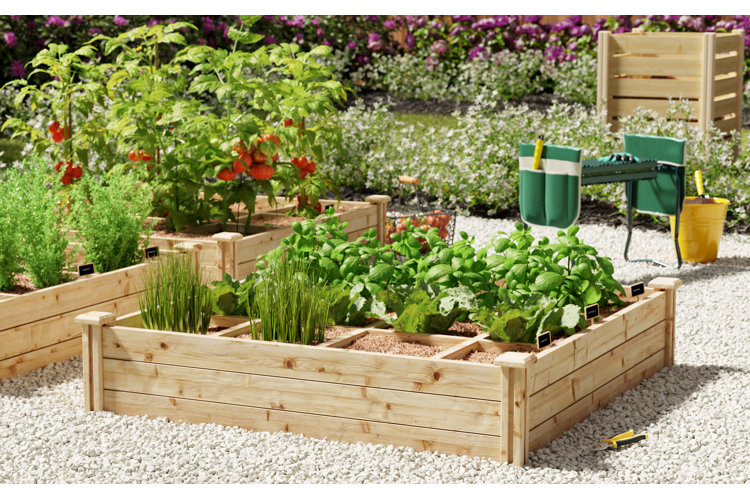
If you're interested in growing herbs, one of the things you need to know is what herbs can be planted together. Planting herbs together has many benefits – for starters, it maximizes space and conserves water. By planting herbs with similar needs in the same bed, you can create an ideal growing environment that encourages healthy plant growth. In this article, we'll explore some of the herbs that can be planted together and the benefits of doing so.
1. Basil & Oregano
Basil and oregano can be planted together in a garden bed or container garden. In fact, they are often grown together in traditional Italian herb gardens. Basil and oregano have similar growing requirements, including full sun exposure and well-drained soil. They also tend to repel pests, allowing them to both thrive away from insects. However, oregano prefers soil that is not too rich in nutrients, while basil can tolerate more nutrient-rich soil.
When planting basil and oregano together, choose a location that receives full sun for at least six hours per day, and ensure that the soil is well-drained. If the soil is too rich in nutrients, you can mix in some sand or perlite to improve drainage. Ensure that the plants are spaced out appropriately to avoid overcrowding and promote healthy growth.
2. Sage, Rosemary, Thyme, & Lavender
Sage, rosemary, thyme, and lavender can all be planted together in the same garden bed as they have similar growing requirements and are known to be complementary to each other. These herbs prefer well-drained soil, full sun exposure, and infrequent watering – making them ideal companions. Additionally, they can help to repel common pests such as mosquitoes and flies when planted together, which makes them great companion plants for your garden.
Tip!
Keep in mind that these herbs can grow quite large over time, so it's important to give them enough space to grow and spread out when planting seeds.
3. Cilantro & Parsley
Cilantro and parsley are both cool-season annual herbs that have similar growing requirements and complement each other in many recipes. Cilantro and parsley prefer partial shade to full sun exposure and consistent moisture. They also both prefer well-drained soil that is rich in organic matter, making them a great pair to plant together.
4. Mint
While mint can be a flavorful addition to a herb garden, it is generally recommended to plant it separately from other herbs as it is known to be invasive and can take over a garden bed or container.
Mint is a spreading perennial herb that can grow rapidly and take over the space of other plants. It also has a strong scent and flavor that can overpower other herbs, so it's best to plant mint in its own container or garden bed to prevent it from taking over other plants.
However, if you do want to plant mint with other herbs, you can consider planting it in a designated area of the garden bed to contain its growth. Alternatively, you can plant it with other herbs that have a similar spreading growth habit, such as lemon balm or thyme, which can help to balance out the mint and prevent it from taking over.
5. Dill & Chives
Dill and chives are both cool-season herbs that prefer partial shade to full sun exposure and well-drained soil. They also benefit from regular watering and fertilization to promote healthy growth.
Dill and chives also have complementary flavors that can be used together in many recipes. Dill has a tangy, slightly sweet flavor that pairs well with fish and other seafood dishes, while chives have a mild onion flavor that complements a wide range of savory dishes.
Tip!
Herbs growing too tall? Try a stake!
Frequently Asked Questions
Which herbs can be planted together?
Herbs that have similar care requirements can be planted together, such as basil with parsley, rosemary with sage, thyme with oregano.
What herbs should not be planted together?
Mint is invasive and best grown alone.
Can you grow dill and basil together?
Yes, they share similar needs.
Do all herbs need full sun?
Most prefer 6 or more hours of sunlight.
Planting herbs together is a great way to maximize space, conserve water, and create an ideal growing environment. By choosing herbs that have similar growing conditions, you can create a harmonious garden that will provide you with fresh herbs for cooking and medicinal purposes. Now that you know what herbs can be planted together, check out our selection for your garden!
