What Are Jute & Sisal?
Learn more about jute and sisal rugs and find out the differences between them!
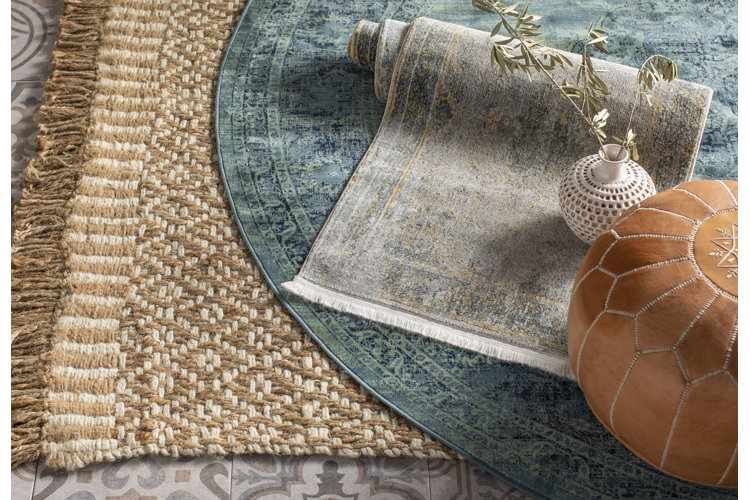
Want to amplify your space with an eco-friendly rug? Consider rugs made from durable, natural materials like jute and sisal. They are both popular options for natural fiber rugs, but the two materials are not the same. Keep reading to learn the differences between jute and sisal so you can find the best rug for your space.
Tip!
To learn more about different types of rug materials, read our guide How to Choose the Best Rug Material.
What Is Jute?
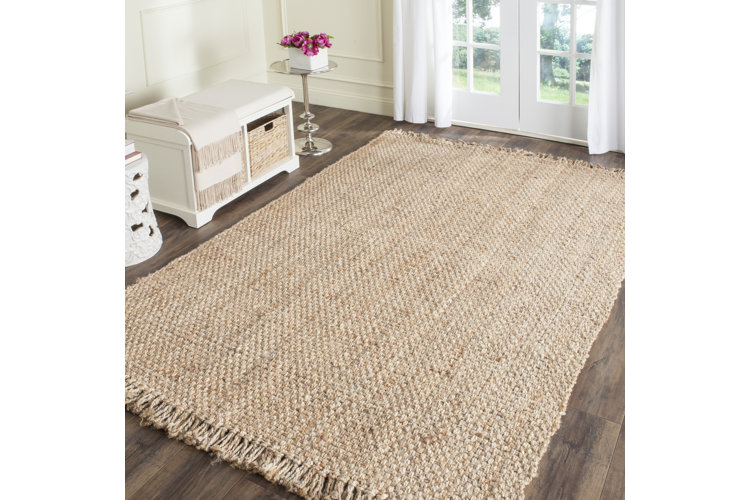
Jute is a long, soft plant fiber that can be spun into strong thread. This glossy natural fiber comes from the stalks of Corchorus flowering plants, which are native to tropical and subtropical regions. India, China, and Bangladesh are the three major producers of jute fiber, but jute products are popular worldwide.
Jute is known for its versatility and durability, and its fiber is used to weave a variety of home goods, including rugs. Jute rugs are incredibly dense and wonderfully soft – softer than other natural fibers – and the light brown color of jute has a natural, elegant look. This chunky natural fiber feels soft underfoot, making it a great choice for your bedroom, family room, or dining room. And since jute is a carbon-neutral, rain-watered crop, jute rugs are an environmentally-conscious choice for your space.
Tip!
Pure jute rugs are very soft, so they're not ideal for high-traffic areas in your home or office.
What Is Sisal?
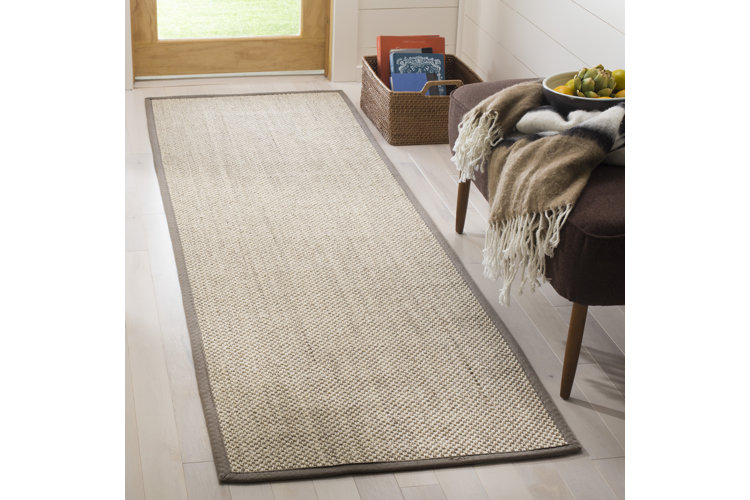
Sisal is a long white plant fiber that's often used to make rope, twine, and a variety of household products, including rugs. Sisal fiber is extracted from the leaves of the flowering Agave sisalana plant, which is native to Mexico. The sisal plant has also been successfully cultivated in countries like Brazil, China, Cuba, Haiti, Kenya, and Madagascar, since there's demand for sisal products all around the world.
Sisal is one of the strongest natural fibers you can find, so sisal rugs are incredibly durable and can handle tons of wear and tear. They're perfect for high-traffic areas like a hallway, entryway, or steps. Plus, sisal rugs are 100% natural and sustainable, so you can feel good about making a green-conscious purchase.
Tip!
Pure sisal rugs are stiff and coarse, so they're not ideal for bare feet.
Jute & Sisal: A Perfect Pair
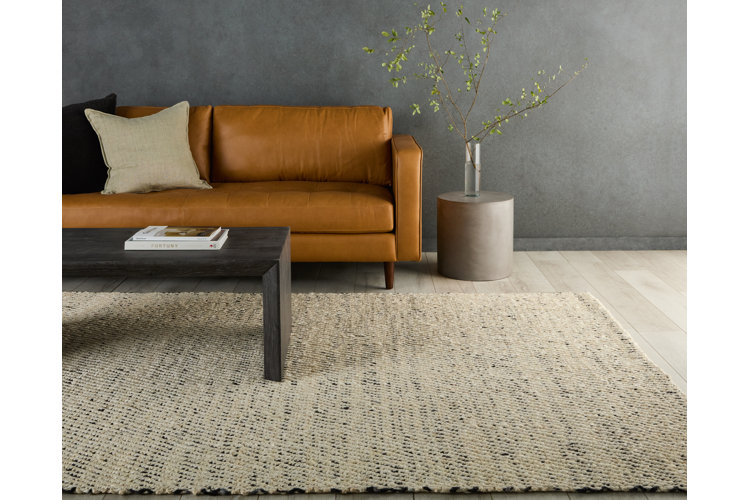
Jute and sisal are both durable, natural fibers with a lot to offer on their own. But when combined, they make an even better product.
When you're shopping for a rug made from natural fibers, the rug's texture and durability is determined by the individual materials. And when jute and sisal are woven together, you get the best of both worlds – the softness of jute and the hardiness of sisal.
Plus, these natural rugs are both stylish and practical. Many jute and sisal rugs come in neutral shades like tan, brown, and cream and give your home an earthy vibe. However, you can also shop for jute and sisal rugs with dyed fibers to add a pop of color to your space.
And since jute and sisal fibers are harder than most synthetic fibers, dirt doesn't cling to them as easily. Dirt and debris rest loosely on the weave, making it easy to remove with a vacuum. So if you're looking for natural home decor that's easy to maintain, jute and sisal rugs are an ideal solution.
Now that you know the differences between jute and sisal – and why they make a perfect pair – you can shop for the jute, sisal, or combination rug that's just right for your space.
Article by Robyn Tellefsen
