What Are Earth Tones? Colors & Palettes
Nature-inspired color palettes.
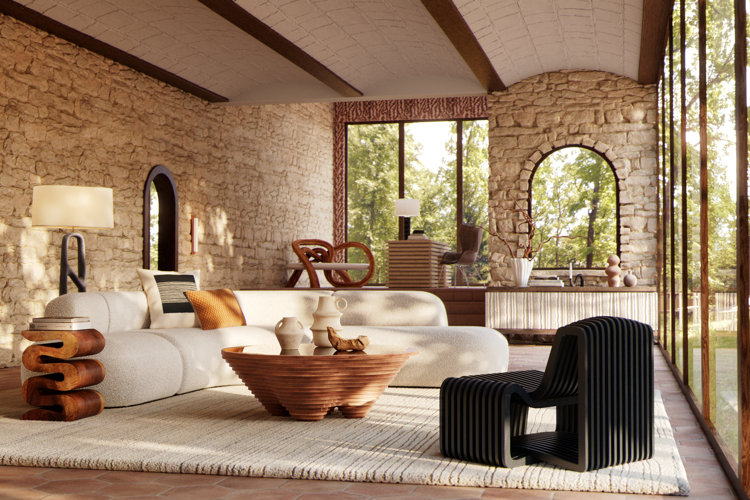
The term “earth tones” encompasses any color inspired by the natural world. Think of colors found in layers of earth, lush forests, and the gradients of stone. These soft, muted shades instill a sense of calm when incorporated through wall colors, furnishings, decor, and floor coverings. Discover earth-inspired color palettes and ways to use these colors in your home.
What Are Earth Tones?
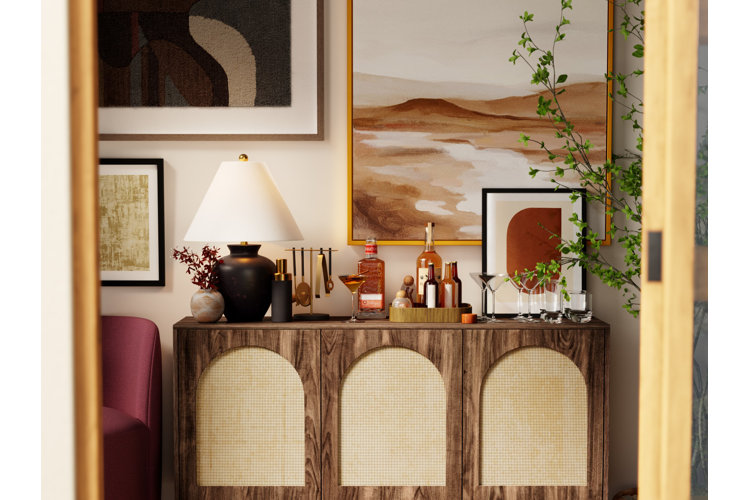
Earth tones are muted shades taken from soil, clay, stone, plants, and water. Use the chart below to see which color family each shade belongs to before choosing your furniture and decor colors.
Earth Tone Color Chart
| Family | Example colors | Mood | Best rooms |
|---|---|---|---|
| Warm | Terracotta, rust, ochre | Cozy and sunlit | Living rooms |
| Cool | Sage, olive, slate, navy | Calm and shaded | Bedrooms |
| Neutral | Beige, taupe, cream | Quiet and grounded | Any room |
| Accent | Burgundy, dusty rose | Rich, use less | Pillows and art |
Warm Earth Tones:
- Rust or Terracotta
- Ochre or Mustard Yellow
- Burnt Orange
Cool Earth Tones:
- Sage, Olive, or Moss Green
- Sky, Slate, or Navy Blue
Neutral Earth Tones:
- Chocolate, Caramel, or Sepia Brown
- Steel, Stone, or Charcoal Gray
- Taupe, Tan, or Beige
- White or Ivory
How to Mix Warm & Cool Earth Tones
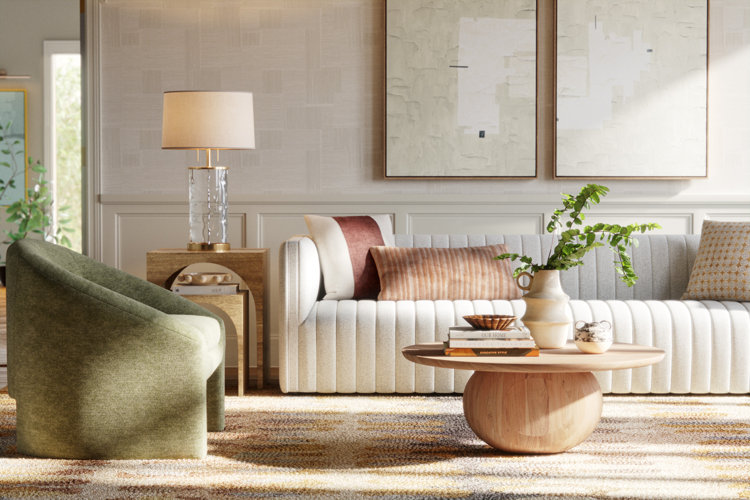
You can stick exclusively to warm, cool, or neutral earth tones for a monochromatic look, but the most relaxing spaces blend these tones – just like in nature. Mix one warm tone, one cool tone, and one neutral for balance. Due to their muted saturation, all earth tones pair well with each other, so don’t worry about matching your colors perfectly.
Which Colors Count as Earth Tones?
| Color | Earth tone? | How to use | Pair it with |
|---|---|---|---|
| Black | Only sparingly | Small accents for depth | Cream and wood |
| Burgundy | Yes, warm | Decor or textiles | Camel, ivory |
| Dusty rose | Yes, soft warm | Bedding or art | Sage or clay |
| Navy | Yes, dark cool | Pillows or throws | Cognac, beige |
| Sage | Yes, light cool | Walls or fabric | Cream, walnut |
Some colors work well in earth-toned color palettes, but only in small doses – otherwise they can throw off the calming effect of a natural color scheme. For example, black is fine to use here and there, but avoid large swatches of it. Instead, opt for a softer dark tone like charcoal gray for more natural depth. Here are some colors to avoid, since they don’t count as earth tones:
- Neon green (and other fluorescents like highlighter yellow or electric pink)
- Hot pink or magenta
- Electric or cobalt blue
- Purple or bright violet
- Lemon yellow
- Bright red or crimson
- Pastel pink or baby blue
- Chrome or polished silver
Earth Tone Color Palettes by Room
Now that you're more familiar with earth tones, start creating your very own earthy aesthetic at home. Here are some nature-inspired room ideas to get you started:
Living Room: Camel, Brown & Ivory

A brown, beige, and ivory palette creates a cozy, grounding living room by layering rich, natural tones. Establish a solid focal point by using deep brown on feature walls or large wooden elements. Incorporate lighter beige tones through furniture like sofas and chairs to soften the contrast and keep the space feeling dimensional. Use ivory as your lightest color in rugs and decorative accents to lift the darker tones and add brightness and balance to the space.
A clay, cream, and sage green palette creates a balanced, grounded bedroom by pairing warm and cool earth tones. Use clay on walls or key textiles to make the space feel warm and enclosed. Layer in cream on large elements like bedding, headboards, and rugs to keep the room light and open. Finally, add sage green through accents like pillows and plants to cut the warmth of the clay, adding an understated, relaxing contrast.
A terracotta, walnut, and white palette is perfect for an inviting, balanced dining room. Use walnut for centerpiece furniture like the dining table and credenza to ground the space with wood grain and warmth. Create contrast with white across the walls, window trim, and upholstered seating to keep the space feeling airy and open. Finish your room with terracotta accents in wall art, floral arrangements, and tabletop ceramics for an earthy pop of color.
Frequently Asked Questions
What colors are considered earth tones?
Earth tones are muted colors drawn from soil, clay, stone, plants, and water. Warm examples are terracotta, rust, and ochre. Cool examples are sage, olive, slate, and navy. Neutrals are beige, taupe, cream, and brown.
Is black an earth tone?
Black is an earth tone only in small amounts, the way charcoal shows up in stone. Use it on frames or hardware, and keep cream, wood, or beige as the larger field.
Is burgundy an earth tone?
Yes. Burgundy is a warm earth tone, close to clay and dried leaves. Use it as one deep accent with camel, ivory, or walnut.
Is pink an earth tone?
Only muted pinks such as dusty rose count as earth tones. Bright pink does not. Pair dusty rose with terracotta, sage, or warm taupe.
Is navy blue an earth tone?
Yes. Navy is a cool earth tone when it reads like deep water or wet stone. It works with cognac, beige, and terracotta.
Is sage green an earth tone?
Yes. Sage, olive, and moss are cool earth tones taken from foliage. They sit well on walls or upholstery next to cream and walnut.
What colors go with earth tones?
Pair one warm earth tone, one cool earth tone, and one neutral. Terracotta or rust with sage or olive and cream or beige is a complete palette.
Are earth tones warm or cool?
Both. Warm earth tones come from clay and wood. Cool earth tones come from foliage, stone, and water. Rooms that use one of each plus a neutral look the most natural.
