Types of Plates for Your Table
Select the right plate sizes for your meals.
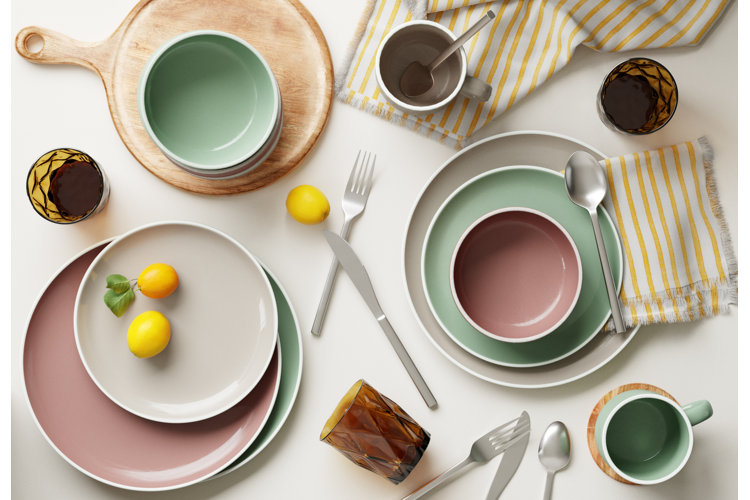
Buying new plates can be a daunting experience, especially when it comes to choosing the right types of plates for your household's dining needs. There are a large array of plate types and plate sizes available, so it can be hard to know what is essential and what isn't. Use this guide to learn which dinnerware is best for you.
In this guide:
An Overview of Plate Types & Sizes?
What to Consider When Choosing Plate Sizes
Frequently Asked Questions
An Overview of Plate Types & Sizes
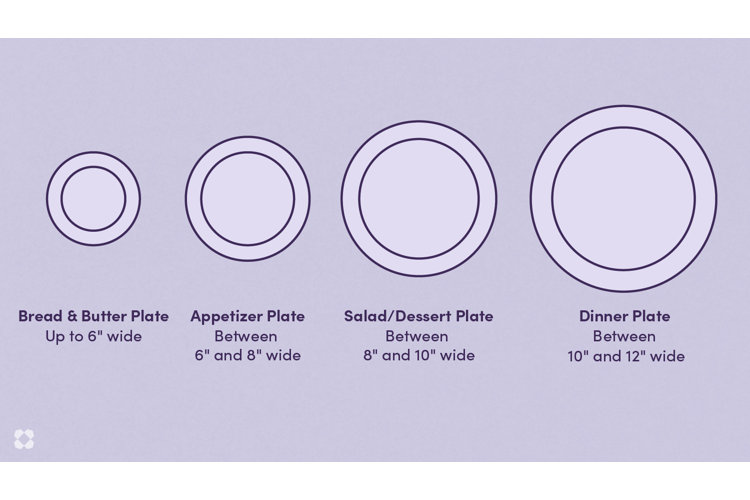
When it comes to buying dinnerware, it is helpful to understand the purpose of the many types of plates available. Each plate size is created to hold different portions of individual courses of a meal. This is not just limited to formal spreads – even at a casual or informal meal, you'll need several types for each course. At a basic level, the most common types of plates are dinner and dessert plates, though there are a number of others that can be considered necessary to a meal.
- Bread & Butter Plates: Bread-and-butter plates are also known as side plates or quarter plates due to the fact that they are usually placed next to the fork in a table setting. Their sizes usually range up to 6" in diameter and are used to separate bread and butter from the gravy, sauces, and juices that can usually be found on a dinner plate. These types of plates are not considered a necessity, especially if you are looking to save space or have a limited budget.
- Appetizer Plates: These small plates are used to serve appetizers or amuse-bouches at the beginning of a meal of multiple courses. An appetizer plate ranges between 6" and 8" in diameter to accommodate petite or single starters. If you are looking to cut down on the number of plates to purchase, or are short on table space, it's worthwhile to note that an appetizer plate can also be used as a bread-and-butter plate (even though they are slightly larger in size). They can also be used to serve fruit and cheese or even for disposing of items such as fish bones and tea bags.
- Salad/Dessert Plates: A salad plate can often be used interchangeably as a dessert plate, making it a great two-in-one piece, particularly for minimalist cupboards. Both salad and dessert plate sizes range between 8" and 10" in diameter. When these types of plates are used for salads, they are usually placed on the table before the main course or as a side dish to your dinner. Additionally, some desserts are better suited to entirely different plates. For example: a crème brûlée or a soufflé is better suited to a ramekin than a standard dessert plate.
Tip!
If your main course is a salad, it should be presented on a dinner plate rather than in a salad bowl.
- Dinner Plate: The standard diameter of a dinner plate is between 10" and 12", usually with a wider and more decorative lip/frame than other types of plates. This is due to the fact that main courses usually comprise several components such as grain or starch, protein, and vegetables. A dinner plate that is smaller than this would be unsuitable for holding an entire meal of this size. They are used more than any other plate in a set because they are utilized to serve all main meals, whether at a formal or informal function (and often for both lunch and dinner). For this reason, dinner plates are the most important investment you should make, as most meals cannot take place without them.
Tip!
Want to learn how to properly set the table for dinner? Check out our guide Dining Etiquette Training: Proper Place & Table Setting Diagram to find table-setting tips for both casual and formal meals.
What to Consider When Choosing Plate Sizes
Though many households no longer have a need for elaborate sets of China, there will always be a need for the standard plate types. Before you select the type of plates you require, it is best to consider the following factors:
Budget
What is your budget? The amount that you are willing and able to spend on your dinnerware will affect your purchasing choice. Factors such as the number of plates or plate material should be taken into consideration too. Materials such as bone China, crystal, and stoneware plates have a higher price tag than porcelain or glass options. Additionally, bread-and-butter and appetizer plates are not as necessary as dinner and dessert plates when you are working with a limited budget.
Sets or Single Plates
Are you looking for a full set or individual plates? A set of dinnerware will contain an array of plate sizes, as opposed to choosing just one type of plate at a time. Plate sets work especially well for families, larger households, and people furnishing a new home or apartment for the first time.
Meal Types
What types of meals and meal components do you cook most regularly? Do you often serve salads or dessert? Are appetizers a frequent part of your meals? All of these components require different types of plates.
Available Storage Space
How much space do you have available to store your dinnerware? If you have ample room in your kitchen cabinets, then a full set of plates is definitely worth considering. However, if you are short on space, it is better to pick and choose what types of plates are best to invest in.
Similarly, you may want to consider the size of your sink or dishwasher. Be aware that dinner plates of 12" or more may not fit in your dishwasher, so be sure to measure before you make your purchase.
Entertaining Frequency
How often do you entertain large groups of people? If you regularly host large dinner parties, it may be a good idea to opt for full dinnerware sets ranging anywhere from 6 to 12 different types of plates. If you serve your family or yourself most of the time, individual plates or smaller set sizes are a better choice.
Niche Plates
Do you need more niche types of plates for your day to day meals? If you enjoy cooking multiple courses and individual components for your meals, additional plate sizes can be helpful. These could include appetizer plates, soup bowls, or even pasta bowls.
Frequently Asked Questions
What is the size of a dinner plate?
A dinner plate has a diameter of 10" to 12" across.
What is a charger plate?
A charger plate is a large decorative plate that is placed beneath a dinner plate.
What size is a salad plate?
A salad plate measures 8" to 10" in diameter.
What is the smallest plate called?
The smallest plates are bread-and-butter plates and they measure up to 6" wide.
You May Also Like
Now that you've gotten to know the different types of plate sizes, it will be far easier to choose what you need for typical meals, usual entertaining, and dinner parties.
