Panel Bed vs. Platform Bed: Which Is Right for You?
Find the bed you've been dreaming of.
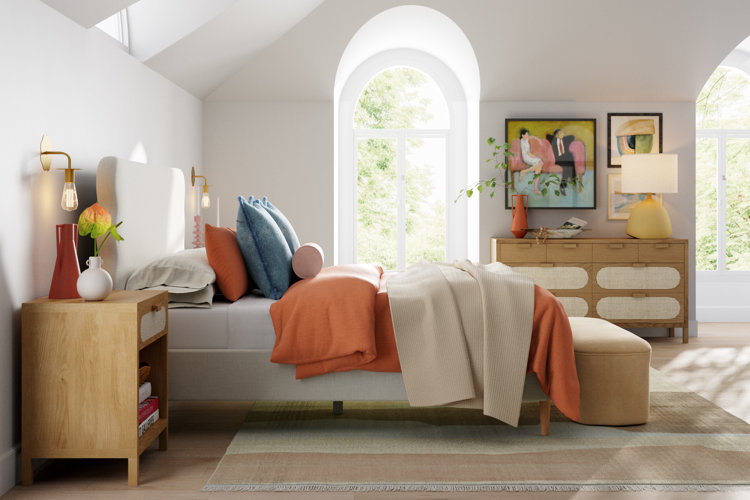
Finding the right bed is critical for getting a good night's sleep. As you're getting started on your search for the perfect bed, it's important to understand the differences between a panel bed vs platform bed.
What Is a Panel Bed?
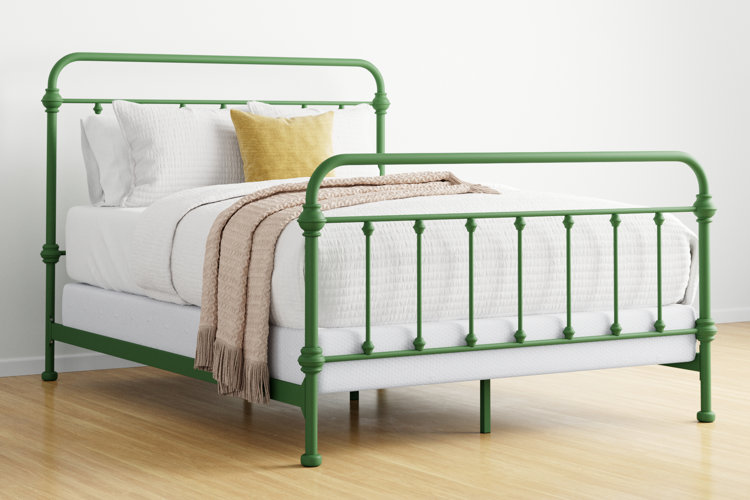
Considered the more traditional style of bed, a panel bed consists of a headboard, two side panels, and, in most cases, a footboard. The headboard is usually prominent and made from wood, metal, or a wood frame covered in upholstered fabric. If there is a footboard, it is typically lower than the headboard. Panel beds hold both a mattress and a foundation piece like box springs, and the combination provides a plush, supportive sleep experience.
Benefits of a Panel Bed
The benefits of a panel vs. platform bed include:
- Cooler Sleep: The space between the box springs and floor allows air to circulate under the bed, which can make your bed cooler and can extend the life of your mattress and mattress foundation. This is great for hot sleepers and those on a budget.
- Taller: Because panel beds have both a mattress and foundation, they are typically higher than platform beds, which only have a mattress. This can offer more under-the-bed storage, make changing the sheets easier, and allow taller people to climb in and out of bed with ease.
- More Design Options: Most panel beds feature a prominent headboard that comes in many styles, so you can coordinate your bed with any type of bedroom decor. Panel beds tend to be more decorative than platform beds, too.
- Softer, More Cushioned Sleep: A panel bed's mattress and foundation provide more cushioned sleep than you'll get in a platform bed. That's why panel beds are a great choice for side sleepers, who sleep best on softer mattresses because they cushion the shoulders and hips. A softer mattresses can better align the spine as well.
Tip!
Because panel beds are typically larger than platform beds, they are a good choice if you have a big bedroom you're trying to make cozier.
What is a Platform Bed?
A platform bed is precisely what the name indicates: a platform on which you place a mattress. Platform beds can be solid or have closely-placed metal or wooden slats. The main difference between a panel bed vs platform bed is that you do not need to use a foundational piece or box springs with a platform bed. You can use any kind of mattress on a platform bed.
When they first became popular, platform beds typically had no headboards or very low-profile headboards and no footboard. Today, however, platform beds come in a wider variety of styles, including some with higher headboards and footboards. Some platform beds also have built-in storage.
Benefits of a Platform Bed
The benefits of a platform vs. panel bed include:
- Lower: Because platform beds don't need a foundation or box springs, they are typically lower than panel beds. This can make them a good option for people with mobility issues and those who have difficulty getting in and out of bed.
- Firmer: If you prefer a firm bed, a platform bed might be best for you. You can buy a firm mattress for a panel bed as well, but ultimately, because the mattress lays directly on the platform rather than on box springs, a platform bed is typically the firmest option. Firm mattresses are typically good for side and back sleepers, and for those with low-back pain.
- More Compact: Because they don't have box springs or side panels, platform beds are more streamlined and compact than panel beds. This can make them a good option for apartments, smaller bedrooms, or for those who just prefer a more modern, minimalist aesthetic.
- More Budget-Friendly: Both panel and platform beds come in many styles, sizes, and price ranges. However, in most cases, platform beds are less expensive because you only have to buy a mattress, whereas a panel bed requires both a mattress and foundational piece or box springs.
Now that you understand the difference between a panel bed vs platform bed, check out the wide range of options Wayfair has to find the perfect bed for you.
Article by Amy Wright.
