How to Use a Pressure Washer
Learn how to use a pressure washer safely and effectively.
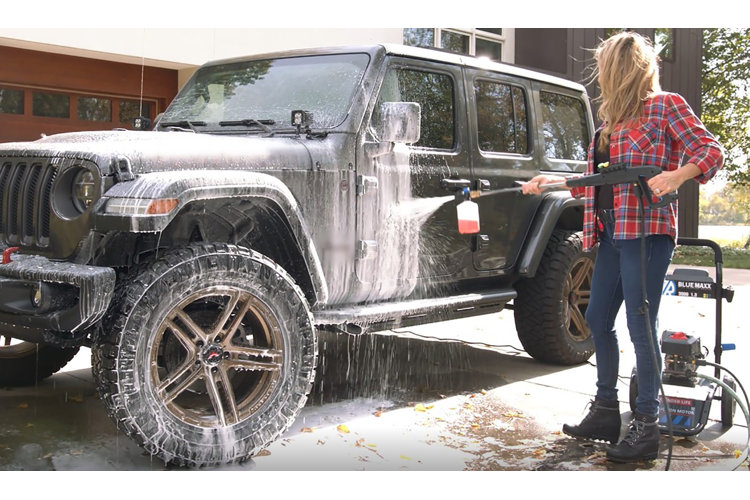
Pressure washers are excellent tools for cleaning a variety of surfaces, from outdoor furniture to concrete driveways. Using a pressure washer can save time and effort compared to traditional cleaning methods, but it's essential to follow proper safety protocols and techniques to avoid damaging surfaces or injuring yourself. In this article, we'll provide clear step-by-step instructions on how to use a pressure washer safely and effectively.
In this guide:
How to Use a Pressure Washer: Step by Step
Frequently Asked Questions
How to Use a Pressure Washer: Step by Step
Step 1: Choose the Right Pressure Washer
The first step in using a pressure washer is to choose the right one for your needs. There are two main types of pressure washers: electric and gas-powered.
Electric: These pressure washers are typically less powerful than gas-powered ones, but they are also lighter, quieter, and easier to maintain.
Gas-Powered: These pressure washers, on the other hand, are more powerful and can handle larger cleaning jobs, but they are also heavier and louder.
When choosing a pressure washer, consider the type of surfaces you will be cleaning and the size of the area you need to cover. A pressure washer with a pressure rating of 1,300-2,000 PSI (pounds per square inch) is suitable for light-duty cleaning tasks such as washing cars and patio furniture. For more heavy-duty tasks such as cleaning decks or driveways, you'll need a pressure washer with a rating of 2,000-3,000 PSI. If you're unsure which pressure washer to choose, consult with an expert at your local hardware or home improvement store.
Step 2: Prepare the Area
Before using a pressure washer, you need to prepare the area you'll be cleaning. Remove any items that could be damaged by the high-pressure stream of water, such as fragile plants, outdoor furniture, and outdoor decor. Cover any electrical outlets, light fixtures, or other objects that could be damaged by water with plastic sheeting.
Next, inspect the area you'll be cleaning for any loose or damaged surfaces. Pressure washers are powerful machines, and they can damage surfaces that are already loose or deteriorating. Repair any damage before cleaning to avoid causing further damage.
Step 3: Connect the Pressure Washer
Connect the pressure washer to a water source, such as a garden hose. Make sure the water pressure is adequate for the pressure washer you're using. Check the owner's manual for specific requirements. Turn on the water supply and let it run for a few minutes to clear any air from the hose.
Connect the high-pressure hose to the pressure washer and the spray wand. Make sure the connections are tight and secure. Turn on the pressure washer and let it run for a few minutes to warm up.
Step 4: Test the Pressure Washer
Before you begin cleaning, test the pressure washer on an inconspicuous area to make sure it's working correctly and adjust the pressure as needed. Hold the spray wand about two feet away from the surface you'll be cleaning and spray a small area. Check the surface for any damage or discoloration, and adjust the pressure or nozzle as needed. It's always better to start with a lower pressure and work your way up gradually to avoid causing damage.
Step 5: Start Cleaning
Once you've tested the pressure washer and adjusted the settings, it's time to start cleaning. Hold the spray wand two or three feet away from the surface you're cleaning and move it in a back-and-forth motion. Be sure to keep the spray wand at a consistent distance from the surface to ensure even cleaning.
Work in small sections, about three or four feet at a time, and rinse each section thoroughly before moving on to the next. This will help prevent streaking and ensure a thorough cleaning. If you're cleaning a large area, divide it into sections and work on one section at a time.
Step 6: Rinse & Dry
After you've finished cleaning, rinse the surface thoroughly with water to remove any remaining dirt and soap residue. Use a lower-pressure nozzle to rinse to avoid damaging the surface. Be sure to rinse from top to bottom to prevent streaking.
Once you've rinsed the surface, allow it to dry completely before using or walking on it. You can use a squeegee or mop to remove any excess water and speed up the drying process.
Step 7: Clean & Store the Pressure Washer
After you've finished cleaning, it's important to clean and store the pressure washer properly to ensure it lasts for years. Disconnect the hose and nozzle and drain any remaining water from the pressure washer. Clean the spray wand and nozzle with water and a mild detergent, and allow them to dry thoroughly before storing.
Store the pressure washer in a dry, cool place, protected from the elements. If you're storing it for an extended period, you may need to add a fuel stabilizer to the gas tank to prevent it from gumming up.
Using a pressure washer can save time and effort when cleaning outdoor surfaces. By following the above steps on how to use a pressure washer, you can use yours effectively and safely for years to come.
Frequently Asked Questions
What types of pressure washers are available?
There are electric and gas-powered pressure washers available.
How should I prepare the area before using a pressure washer?
Remove items that could be damaged, cover electrical outlets, and repair any loose surfaces.
What should I do after finishing with the pressure washer?
Rinse the surface thoroughly, allow it to dry, and clean and store the washer properly.
