How to Store Tools: Foolproof Methods to Stay Organized
Discover the best methods for storing your tools.
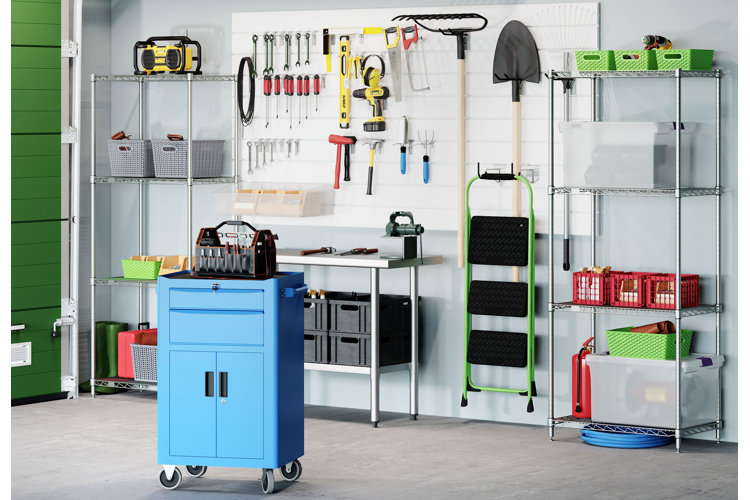
Tools are an important part of any household or workspace, coming to the rescue when you need to fix a leaky faucet, assemble a piece of furniture, or even hang a picture. However, tools can easily become cluttered and misplaced if not stored properly, so we've created this guide to help you learn how to store tools effectively and efficiently. Let's jump in.
Why Store Tools Properly?
Storing tools properly not only ensures that your workspace remains tidy and organized, but it also helps prolong the lifespan of your tools. Here's why you should invest time in learning how to store tools:
Ease of Access: Properly stored tools are easy to locate and use, saving you time and frustration.
Prevent Damage: Tools that are not stored correctly can be damaged, leading to unnecessary expense and inconvenience.
Safety: Tools laying around can be a safety hazard, especially sharp or heavy tools. Proper storage keeps them out of harm's way.
How to Store Tools: Top Methods
1. Slatwalls & Pegboards
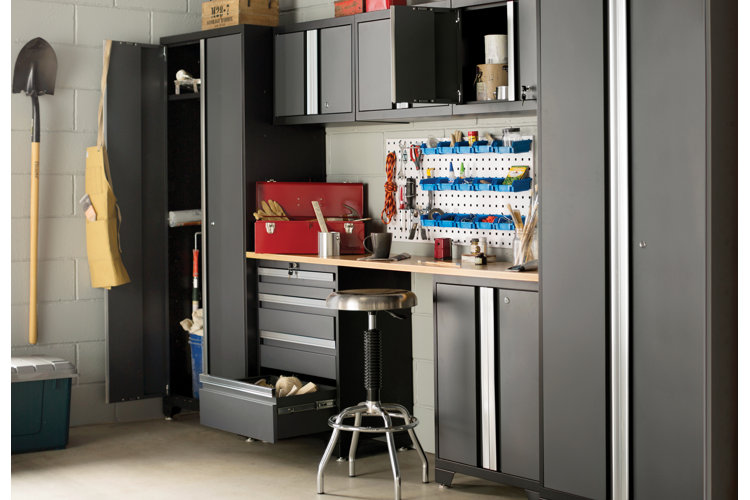
Slatwalls and pegboards are a classic and affordable solution for tool storage. They are easy to install, customizable, and provide visible access to all your tools. Attach hooks and hang your tools on the pegboard or slatwall for easy access.
Tip!
Read How to Hang Pegboard: Your Step-By-Step Guide to install this handy tool storage.
Tool chests and cabinets are perfect for storing large tool collections. They come in various sizes and often have multiple compartments and drawers for easy organization.
Tool holders, like magnetic strips or tool hooks, are ideal for organizing a wide range of tools. By mounting them on a wall or inside a cabinet, you can keep tools neatly arranged, ensuring they are easily accessible and ready for use.
For those who need to carry their tools around, portable tool storage – like tool bags, boxes, and belts – is a great solution. Most portable tool storage has various pockets or compartments to hold different types of tools so you'll always have what you need on the go.
Assess your tools and workspace, and choose the method that works best for you. And remember, the key to successful tool storage is maintaining organization – once you have a system in place, make sure to put tools back in their proper place after each use. With a little effort, you'll have an organized workspace that makes your DIY projects even more enjoyable.
