How to Store Firewood Properly
Learn to store your firewood safely.
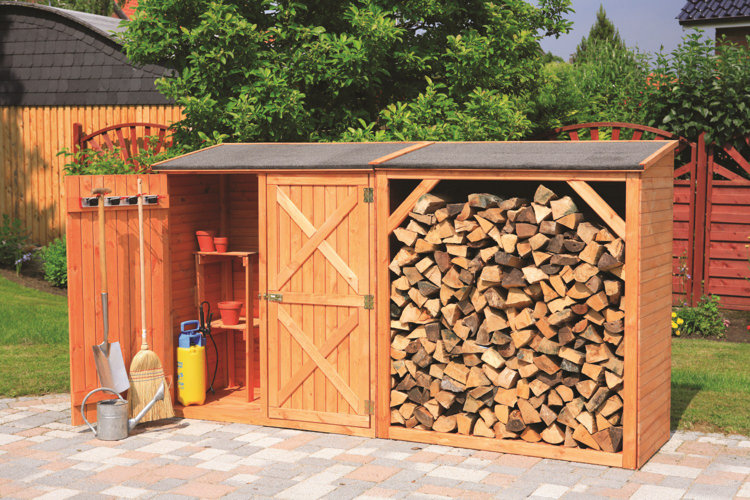
Firewood is an essential part of home heating and outdoor cooking, but it must be stored properly to remain safe and efficient. Whether you’re a first-time firewood user or an experienced wood burner, knowing how to store firewood is the key to success. In this article, we’ll discuss the different types of firewood available, how to prepare it for storage, what type of container you should use, and how to stack your logs. We’ll also provide tips on maintaining your store so that you can have a steady supply of dry firewood all season long. With these helpful tips and advice, you'll be able to safely and efficiently store firewood so that you can enjoy cozy nights by the fire or delicious meals cooked over an open flame.
Before You Store Your Wood
Before you get around to actually storing firewood, there are few things to consider first.
1. Consider the types of firewood.
When it comes to storing firewood, understanding the different types available and how to identify them is key. Softwoods and hardwoods are the two main categories of firewood, each with its own advantages and disadvantages. Knowing which type of wood is best for your needs will help you store firewood safely and efficiently.
Softwoods are typically faster-burning woods such as pine or spruce that burn at a hotter temperature than hardwoods. They’re best used for short-term heating needs, such as stoking up a campfire or quickly warming an outdoor space on a cold day. Hardwoods are denser and burn longer at lower temperatures, making them better suited for long-term heating needs like providing warmth in a wood stove or fireplace for several hours.
Identifying softwoods from hardwoods can be done by looking at the bark of the tree; softwood trees usually have smooth bark, while hardwood trees often have more textured bark with deep ridges. You can also look at the shape of the leaves – softwood trees tend to have needles, while hardwood trees will usually have broad leaves that change colors in the fall and winter months. Additionally, softwoods often produce cones, while hardwoods create acorns or other fruits instead.
2. Consider the types of firewood storage.
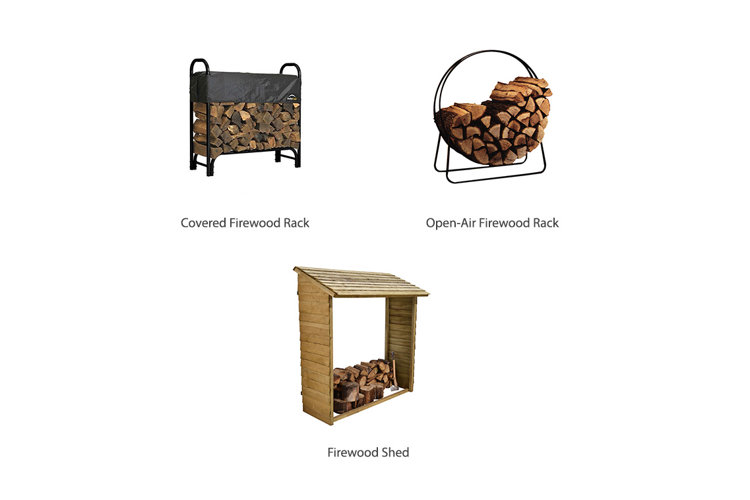
There are several options to choose from, such as covered firewood racks, open-air racks, and firewood sheds.
Firewood Rack: Firewood racks provide a great indoor or outdoor storage solution and are a great choice if you want to maximize air circulation. They are designed to hold a large amount of wood, while providing plenty of air circulation to keep the logs dry and ready to burn. They can be free-standing or mounted on a wall, depending on the area you have available. They can also be open-air or covered, depending on your preference.
Firewood Shed: Firewood sheds provide an enclosed storage option for those who do not want open-air storage. These sheds are designed to be weatherproof, so your wood will stay dry and ready to burn. They are usually constructed out of durable materials like metal or plastic, and they can come in a variety of sizes and shapes to fit your specific needs.
3. Drying, Splitting, & Sizing the Wood
When it comes to preparing firewood for storage, drying, splitting and sizing are key steps to take. Properly dried wood will burn better and be more efficient in heating or cooking, while splitting and sizing will guarantee that the pieces fit into your storage container. Taking the time to properly dry, split and size your firewood can make all the difference in the quality of your firewood store.
One of the most important steps in preparing firewood for storage is drying it out properly. To dry out wet or damp wood, stack it in a single layer in direct sunlight for several days or weeks, depending on how wet it is. This process should not be rushed; if the wood isn’t completely dry, it can create dangerous levels of smoke when burned.
Once the wood is completely dry you should split any larger pieces with a wedge and maul or a splitting ax. This step makes storing and burning much easier, so don’t skip this step even if you have pieces that seem small enough already! Make sure to wear protective gloves while splintering logs.
Finally, sizing your firewood correctly is essential for efficient storage inside a container such as a shed or wood rack. Pieces that are too large won’t fit into your chosen container – try using smaller logs if you need help fitting them all in – but also remember that smaller pieces are usually better when burning in stoves since they light more easily and burn more efficiently than larger chunks of wood.
How to Store Firewood Correctly: Step by Step
1. Choose a location.
Choose a location that is dry and has good air circulation. It is important to keep the firewood off the ground to prevent moisture from seeping into the wood. Make sure it is away from your home and other buildings, on level ground, and covered if outdoors.
Tip!
Purchase a dolly to make transporting firewood from your storage spot to your home easier.
2. Choose your storage.
Choosing the ideal storage container for your firewood is essential. Before settling on a size, assess the amount of space you have available and consider what type of container will work best in meeting your needs.
3. Stack the wood.
Start stacking the wood on the rack with the cut ends facing outwards. This will allow air to circulate around the wood and help it to dry out. It’s important to stack wood neatly with one end facing outwards to create a stable base or lay logs in alternating directions for increased stability. This will not only look better, but also allow for easier access and selection when needed.
4. Cover the wood.
Once you have stacked the wood, cover it with a tarp or other waterproof covering, especially if you are using an open-air rack. This will help to keep the wood dry and protect it from rain or snow.
5. Leave space.
It is important to leave space between the wood and the covering to allow for air circulation. This will help to prevent moisture from accumulating and promote drying.
6. Rotate the wood.
To ensure that the wood dries evenly, it is a good idea to rotate the wood periodically. This will also prevent insects and pests from making a home in the woodpile.
7. Use dry wood.
Finally, when it comes time to use the wood, make sure it is dry. Burning wet or green wood will produce more smoke and less heat, and can also lead to creosote buildup in your chimney.
Now that you know how to store firewood properly, you can ensure that it is ready to use when you need it!
