How to Filter Water
It's easier than you think.
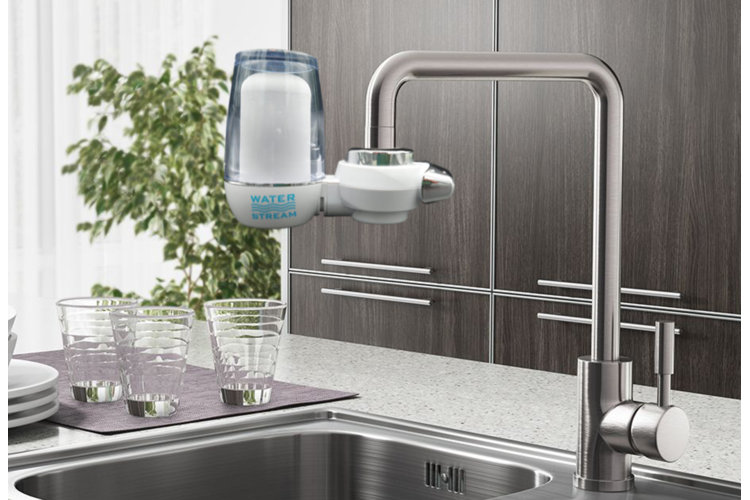
Do you know what's in your water? Unless you live in a community with a public water system that is regularly tested for contaminants, it's possible that your tap water is not as clean as you think.
Water can become contaminated with a variety of pollutants, including bacteria, viruses, chemicals, and heavy metals. Filtering your water is a great way to protect yourself from these harmful contaminants. There are a variety of different water filtration systems available, so you can find one that fits your needs and budget. Ready to learn how to filter water? Let's get started.
Benefits of Filtering Water
There are many benefits to filtering your water. Some of the benefits include:
- Improved taste and smell
- Reduced risk of waterborne illnesses
- Increased water clarity
- Enhanced mineral content
- Peace of mind
Tip!
If you are concerned about the quality of your water, you can have it tested by a qualified laboratory. Water testing can help you to identify any contaminants that may be present in your water and to choose the right water filter for your needs.
Types of Water Filters
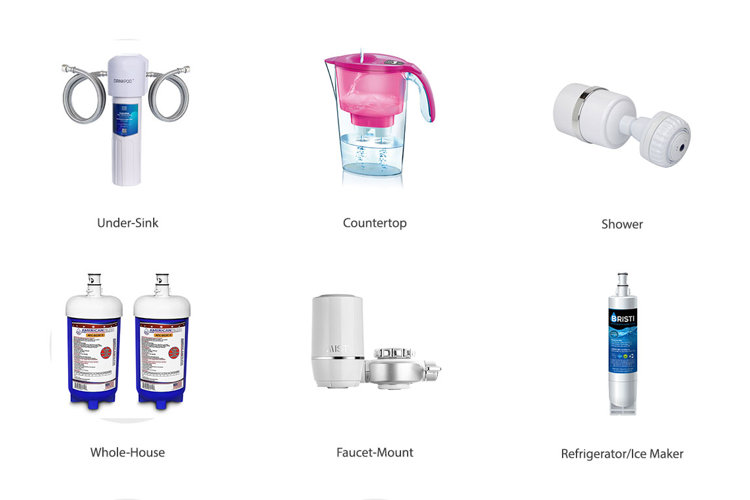
There are a variety of different water filters available on the market. Some of the most common types of filters include:
Under-Sink: Under-sink filters are installed under your kitchen sink and connect to your main water line. They are a great option for people who want to filter all of their household water.
Countertop: Countertop filters are placed on your countertop and connect to your faucet. They are a good option for people who only want to filter their drinking water.
Shower: Shower filters are installed in your shower head and remove chlorine and other chemicals that can cause dry skin and hair.
Whole-House: Whole-house filters are installed at the point of entry for your home's water supply. They are a good option for people who want to filter all of their household water, including water for drinking, cooking, and bathing.
Faucet-Mount: Faucet mount filters are placed directly on your faucet and remove contaminants from the water as it flows through the faucet. They are a good option for people who only want to filter their drinking water.
Refrigerator/Ice Maker: Refrigerator/ice maker filters are installed in your refrigerator or ice maker and remove contaminants from the water that is used to make ice. They are a good option for people who want to drink filtered water and make filtered ice.
Step 1: Choose the type of water filter that is right for you.
There are a variety of different water filters available, as you've seen above, so it's important to choose one that is right for your needs. Some of the factors you may want to consider include:
- The type of contaminants you want to remove from your water.
- The size of your household.
- Your budget.
Tip!
If you have well water, you may want to consider a whole-house water filter. Whole-house water filters remove a variety of contaminants from water, including bacteria, viruses, chemicals, and heavy metals.
Step 2: Install the water filter according to the manufacturer's instructions.
Once you have chosen the right water filter for your needs, it's time to install it. Most water filters are easy to install, but it's important to follow the manufacturer's instructions carefully.
Step 3: Change the filter according to the manufacturer's instructions.
Water filters need to be changed regularly to ensure that they are working properly. The frequency with which you need to change your filter will depend on the type of filter you have and the amount of water you use. Make sure to change it regularly to get the maximum benefits of filtering water.
Here are some general tips for changing a water filter:
- Turn off the water supply to the filter.
- Remove the old filter and dispose of it properly.
- Insert the new filter into the filter housing.
- Turn on the water supply to the filter.
Filtering your water is a simple process that can help to improve the quality of your water and protect your health. By following these steps, you can easily choose, install, and maintain a water filter that is right for you.
Now that you know how to filter water, you can improve the quality of your water and protect your health. There are a variety of different water filters available on the market, so you can find one that fits your needs and budget.
