How to Care for Snake Plants
Keep your snake plant healthy and thriving.
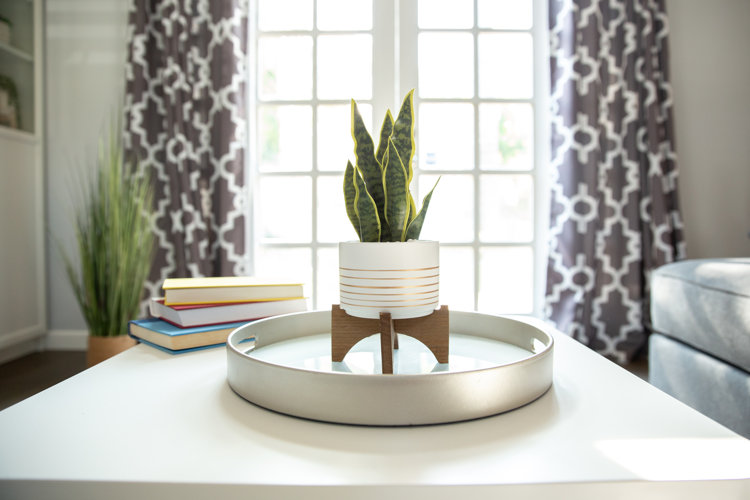
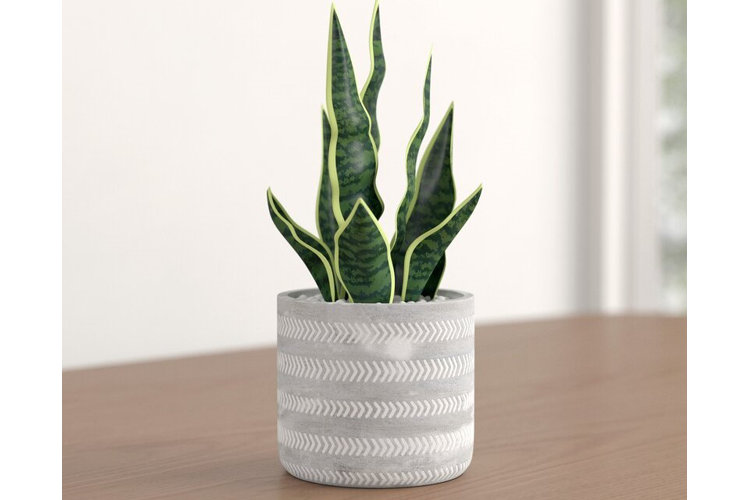
Snake plants, also known as Sansevieria, are a popular houseplant due to their low maintenance requirements and striking appearance. They are native to tropical regions of Africa and are often used as decorative plants due to their unique shape and color. In this article, we will cover the benefits of snake plants and how to care for snake plants.
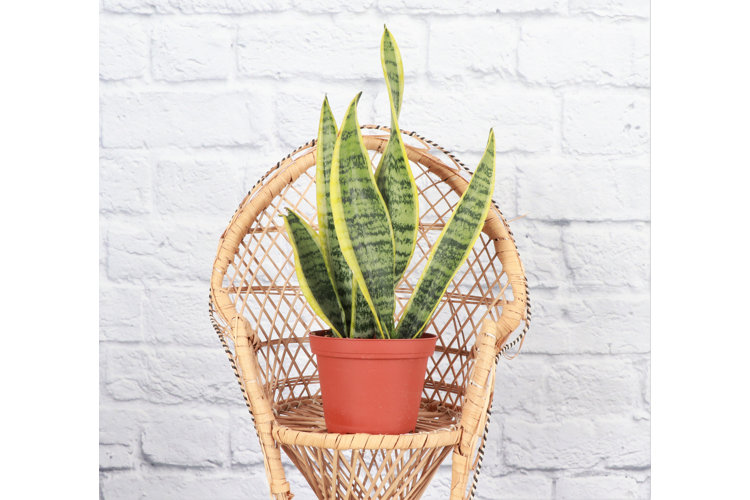
In addition to their striking appearance and low-maintenance requirements, snake plants offer several benefits that make them a great addition to any home.
Air Purification: Snake plants can purify the air by removing toxins commonly found in household items such as cleaning products, furniture, and carpets, which can lead to health issues such as headaches, allergies, and respiratory problems.
Health Benefits: In addition to purifying the air, snake plants also release oxygen at night, which can improve air quality and promote better sleep. The leaves of the snake plant can also be used to treat minor burns, cuts, and insect bites due to their anti-inflammatory properties.
Aesthetic Appeal: Snake plants come in a variety of sizes and shapes, making them a versatile plant that can fit into any decor style. They can be used as a statement piece or as a subtle addition to a room, and their striking appearance adds visual interest to any space.
How to Care for Snake Plants
Snake Plant Light Requirements
Snake plants can tolerate a range of light conditions, from low to bright, but prefer bright, indirect light. They can also tolerate direct sunlight, but too much can scorch the leaves. If your snake plant is not getting enough light, the leaves may appear pale or start to droop. If the leaves are turning yellow or brown, it may be getting too much direct sunlight.
Snake Plant Watering
One of the reasons snake plants are so popular is that they require very little water. In fact, they can tolerate long periods of drought and prefer to be underwatered rather than overwatered. Water your snake plant when the soil is completely dry, which usually takes about two to three weeks.
Tip!
When you water your plant, make sure to thoroughly saturate the soil, but avoid letting the plant sit in standing water, as this can lead to root rot.
Snake Plant Soil
Snake plants prefer a well-draining soil mixture. A mix of potting soil and sand or perlite can work well. Avoid using heavy soils that retain too much moisture, as this can cause root rot. It’s also important to use a pot with drainage holes to ensure excess water can drain away from the roots.
Tip!
Snake plants can benefit from a small amount of balanced fertilizer during the growing season (spring and summer). A good rule of thumb is to fertilize your snake plant once a month with a diluted fertilizer solution.
Temperature & Humidity
Snake plants are tolerant of a range of temperatures, but prefer temperatures between 60-85°F. They can tolerate low humidity levels, making them a great plant for dry climates or indoor environments. However, if the air is too dry, the tips of the leaves may turn brown.
Pests & Diseases
Snake plants are generally pest- and disease-resistant, but can occasionally be affected by mealybugs or spider mites. To prevent pests, inspect your plant regularly and keep the leaves clean by wiping them down with a damp dish cloth. If you do notice pests, treat them with insecticidal soap or a natural remedy like neem oil.
Overall, snake plants are a great low-maintenance houseplant that can add a touch of greenery to any room. Now that you know how to care for snake plants, check out the variety of options Wayfair has to choose from.
