How Many Lumens for Kitchen Lighting: A Complete Guide
Make your kitchen shine in the best light possible.
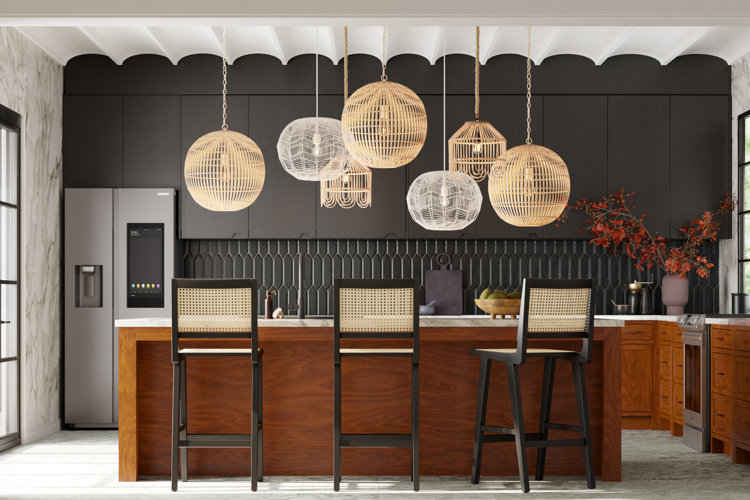
A well-lit kitchen is essential for creating a comfortable and efficient cooking environment. Whether you're chopping vegetables, cooking up a storm, or enjoying a family meal, the right kitchen lighting can make a world of difference. But, how do you determine the ideal lighting for your kitchen? Enter lumens. This guide will explain how many lumens you need for kitchen lighting.
In this guide:
What Are Lumens?
How Many Lumens Do I Need for Kitchen Lighting?
Deciding How Many Lumens You Need: Factors to Consider
Frequently Asked Questions
What Are Lumens?
Before we dive into selecting the right amount of lumens, let's clarify what a lumen is. Lumens measure the amount of light produced by a bulb, also known as its brightness or light output. The higher the lumens, the brighter the light. For more information, check out our guide What Are Lumens in Lighting?.
How Many Lumens Do I Need for Kitchen Lighting?
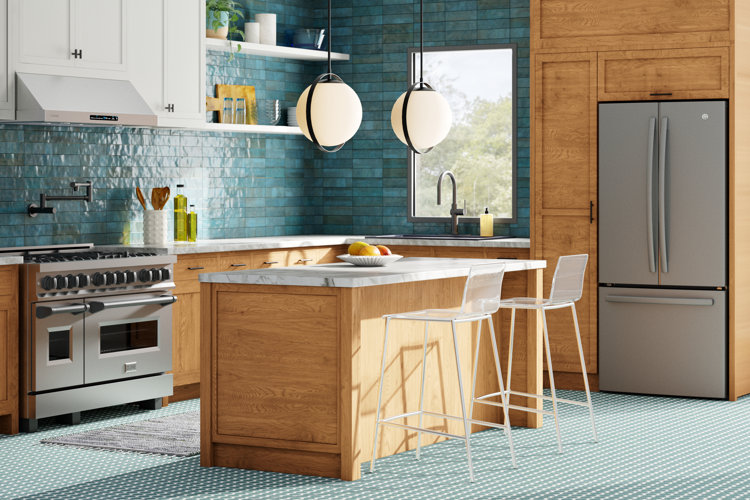
There isn't a one-size-fits-all answer to this question, as it greatly depends on the size of your kitchen and your specific lighting needs. However, to give you a general guideline, a kitchen needs a minimum of 10 – 20 lumens per square foot for general, ambient lighting. This ensures enough light for safe, everyday kitchen tasks.
For task lighting, such as under-cabinet lights that illuminate your countertops, you'll want higher lumens – around 700 – 800 lumens per square meter. This is to ensure that your work area is well-lit, reducing the risk of accidents while prepping and cooking.
Deciding How Many Lumens You Need: Factors to Consider
When deciding how many lumens for your kitchen lighting, it's important to consider several factors:
Kitchen Size: Larger kitchens will require more lumens to be adequately lit compared to smaller ones. Measure your kitchen to get an idea of the total square footage, then use the guidelines above to calculate your lumens. For example, a 225 square-foot kitchen, at a minimum of 10 – 20 lumens per square foot, would need 2,250 – 4,500 lumens for ambient light. This can be achieved through one 2,000+ lumen bulb, or through several light sources with 800 – 1,000 lumens.
Natural Light: If your kitchen receives a lot of natural light, you might need less artificial light during the day. However, consider your needs during the evening and nighttime when natural light is not available.
Color Scheme: Darker colors absorb light, meaning you might need more lumens if your kitchen has dark walls and countertops. On the other hand, lighter colors help reflect light, potentially reducing the amount of lumens required.
Task Areas: Identify areas in your kitchen where you perform specific tasks that may require more light, such as chopping vegetables or reading recipes. These areas can benefit from additional task lighting.
Age & Eye Health: As we age, our eyes require more light to see clearly. If you or a family member has vision issues, you may need to increase the lumens in your kitchen.
Frequently Asked Questions
How many lumens per square foot for general kitchen lighting?
A kitchen needs a minimum of 10–20 lumens per square foot for general lighting.
What factors affect the lumens needed for kitchen lighting?
Factors include kitchen size, natural light, color scheme, task areas, and age and eye health.
How many lumens are recommended for task lighting in the kitchen?
For task lighting, around 700–800 lumens per square meter are recommended.
