Types of Dog Beds
Pamper your pup.
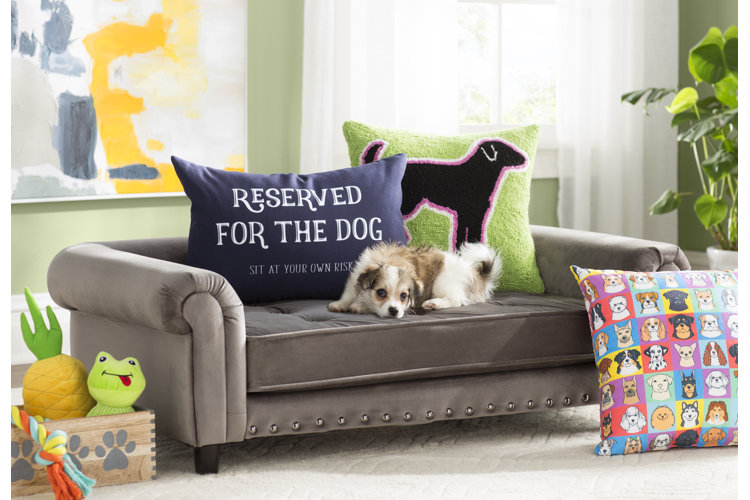
Your pup is part of the family, which means they deserve a safe and comfortable spot where they can snuggle up and get the rest they need. In this guide, we'll share types of dog beds and how to choose the best one for your furry friend based on their needs.
In this guide:
1. Consider Your Pet’s Preferences
2. Determine the Best Dog Bed Type
3. Opt for Helpful Dog Bed Features
4. Pick the Right Dog Bed Materials
Frequently Asked Questions
1. Consider Your Pet’s Preferences
Before choosing a dog bed, there are a few things to consider. Think about your dog's habits and preferences to help you choose the right one for your pup. Spend some time watching how your dog likes to lounge and take note of the way they like to lay. This can help you see which type of dog bed or shape of dog bed is best suited to support them. You should also pay attention to where your dog likes to lie down. If they prefer a more cushioned spot, opt for a plush dog bed. If they like to lie down on the floor, pick a dog bed with a harder firmness.
Tip!
Your dog's size is one of the biggest factors in choosing the best pet bed, we have just the guide you need to help you choose the right size dog bed. To learn more, read Dog Bed Sizes: Choosing the Right Bed Size for Your Dog.
2. Determine the Best Dog Bed Type
There are many dog bed designs to choose from, here we break down six common dog bed types to help you find the right one for your best friend.
1. Pillow/Classic: A classic pillow dog bed resembles an extra-large cushion which lays flat on the floor. This type of bed gives your four-legged friend plenty of space to sprawl out with enough cushion to curl up.
2. Bolster: Bolster beds are square or rectangle dog beds with a border of bolsters on two or three sides. These beds are best for dogs who love to lean against something while sleeping. The cushioned bolsters make great pillows for sleepy little puppy heads!
3. Mat/Pad: Mats or pads are commonly found inside most dog crates. If you want to learn more about dog crates, read our Dog Crate Sizes & Buying Guide. These are perfect for dogs on the go and can be easily packed when you travel. They are also easy to wash, making them a popular option for dogs who may be prone to accidents.
4. Furniture-Style Bed/Dog Sofa: Sofa-style dog beds are the most aesthetic choice since they resemble miniature sofas, making it easy to match your home decor. These types of beds are typically upholstered and therefore are harder to clean. If you want to use one for a puppy or senior dog, it may be a good idea to cover it with a stain-resistant dog blanket to keep it protected.
5. Hooded/Domed: Hooded or domed dog beds are great for dogs who like to burrow, since they create a small cave-like space. These beds can help your dog feel safe and warm since they can snuggle up without having to rely on you to cover them with a blanket. Choose a hooded bed with a removable cover for easy cleaning.
6. Cot: A great option for outdoor beds, dog cots are raised off the ground and typically made of mesh. This breathable setup helps keep your dog cool by allowing air to circulate through the mesh and is also very easy to clean – simply spray down with the hose and allow it to dry in the sun. Various size options are available making this a great outdoor option for any dog.
Consider various dog bed features based on your dog's specific needs when choosing the right bed for them. Here are five great feature options that can potentially make your life easier and them more comfortable.
1. Memory Foam/Orthopedic: Memory foam is great for older dogs and dogs with joint issues or arthritis. Memory foam provides soft support for joints and responds to heat and pressure, making this a cozy choice for any pet.
2. Washable: Washable dog beds are great for dogs who are known to track dirt inside, who shed a lot, or for puppies and senior pets who are more prone to accidents. Choose a washable bed with a removable cover or one that will fit into your washing machine. For best results we recommend washing your dog’s bed one to two times per month to get rid of dirt, debris, or mites that your dog picks up while playing outside.
3. Outdoor Use: A durable weatherproof dog bed will last longer, allowing your pup to get in more outside naps. Some outdoor beds are elevated, which helps keep them (and your dog) cool during the warmer months.
4. Chew-Resistant: If you are constantly finding fluff from your dog's bed around your home, opt for a chew-proof dog bed. They are a great option if you have a young puppy who loves to chew on their bed or an anxious dog with a chewing habit.
5. Elevated: An elevated dog bed may be best for an older dog with mobility issues, since it is easier to get in and out of. Elevated dog beds are also commonly used outside to keep your dog off the weather-impacted ground.
4. Pick the Right Dog Bed Materials
Whether you’re looking for qualities to keep your dog comfortable or going for a certain look to match your home style, choosing the best dog bed material can help you get it right.
- Durable Materials: Polyester and nylon dog beds are excellent choices if you're looking for a long-lasting, durable dog bed. However, because these fabrics aren't very breathable, they can generate heat and are more prone to overheating than other materials.
- Comfortable Materials: Soft materials like cotton or fleece are popular for their coziness and comfort. The soft feel is perfect for any dog that's looking to curl up for the night.
- Stylish Materials: If you're in search of a dog bed that is both stylish and comfortable, suede and leather are great options. Be sure to check out cleaning and care instructions to make sure this type of dog bed will work with your pet’s lifestyle.
Frequently Asked Questions
What is a bolster dog bed?
A bolster dog bed has cushions on two or three sides for dogs to lean against.
Which dog bed type is best for outdoor use?
Cot beds are great for outdoor use as they are elevated and made of breathable mesh.
Why choose a memory foam dog bed?
Memory foam beds are ideal for older dogs or those with joint issues, providing soft support.
