How to Host the Ultimate Wine-and-Cheese Party
Three simple steps to planning a delightful, no-cook wine-and-cheese tasting.
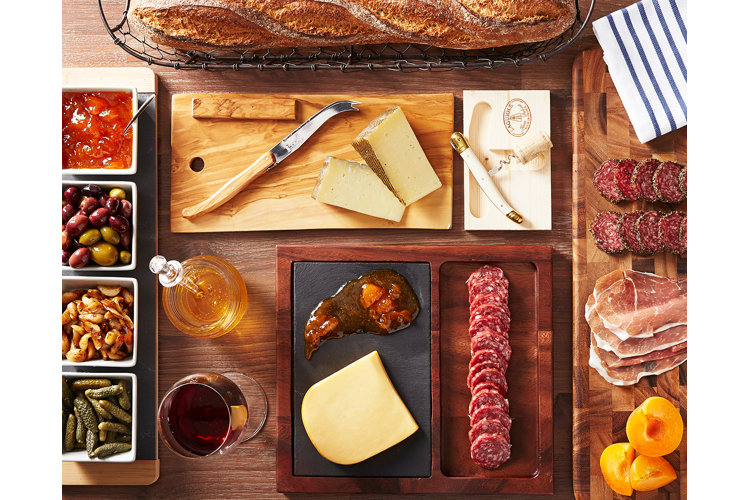
Photo: Joss & Main
https://www.jossandmain.com/
A wine-and-cheese tasting party is a great excuse to gather family and friends, and since no cooking is required, there's time to get acquainted with some new-to-you bottles and the foods that help them stand out. Here, we uncork three helpful steps and the must-have products to get you started with the evening.
1. Select Your Bottles
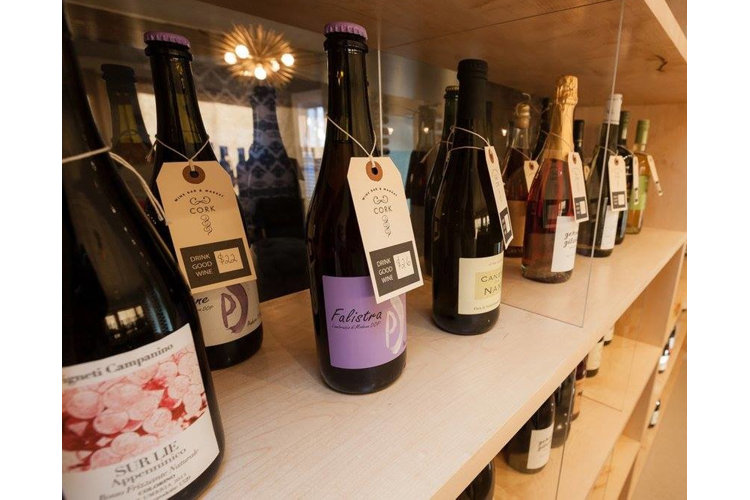
Photo: Amber Hodgins Designs
https://www.wayfair.com/shop-the-look/slp/cork-winewall--photo-id210099
Cabernet, Chardonnay, Chianti? Don't leave the liquor store feeling perplexed about your options. To rein it in, select a theme for the night: a blind "splurge-or-save" taste test that will stump even the self-proclaimed wine connoisseurs on your guest list. It's a great way to hone your palate and discover petite-priced wines that impress.
To get started, purchase both an inexpensive and a pricier variety of the same type of wine. Hide bottles in numbered paper bags, or pour each into a decanter, remembering to keep white wines properly chilled and red wines at room temperature. Have friends do a blind taste test to see if they can notice the difference between the varieties.
Don't want to do all the leg work? Have each guest bring a bottle of wine with the label covered. Once everyone has a pour, try to guess the grape and price range of the bottle. Be sure to assign each friend a different type of wine so you have a variety to choose from.
If you're deciding how much wine to have on hand, a good rule of thumb is one bottle per person. This will allow guests to try all of the wines and have a glass—or two—of their favorite when the tasting is over.
Tip!
Plan to use multiple glasses per person (we recommend a minimum of two per individual—one for white and one for red). To avoid intermingling glasses and flavors, be sure to have markers or wine charms on hand.
2. Pair Flavors and Aromas
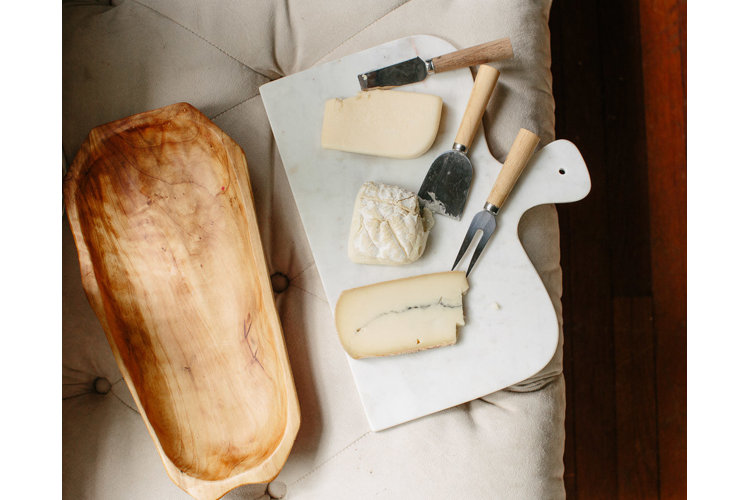
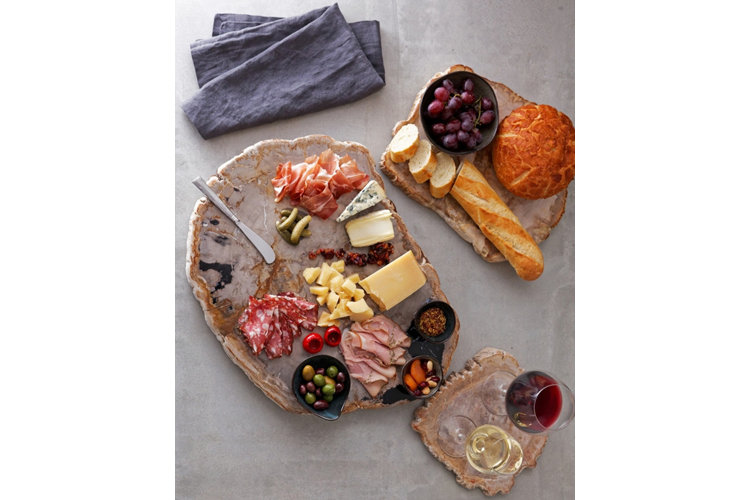
Acids, tannins, and sugars found in food can all play differently when relating to wine, so the appetizers you serve can have a big impact. To see how flavor elements interact, pair salty olives, bitter dark-chocolate, and sweet, creamy cheese with the same type of wine. You'll notice that each combination brings out something unique. If you want to guide your guests even further, these bold parings are known to be the best compliments.
- Sip: Chardonnay Bite: Havarti
- Sip: Cabernet Sauvignon Bite: Sharp cheddar or chocolate
- Sip: Zinfandel Bite: Brie
- Sip: Sauvignon Blanc Bite: Goat cheese or pine nuts
- Sip: Pinot Noir Bite: Gruyere or dried cranberries
- Sip: Prosecco Bite: Asiago or cheesy artichoke dip
Tip!
To avoid lingering flavors in between pours, make sure to also serve palate cleansers—like fresh fruit, vegetables, and bread.
3. Keep Décor Simple
Photo: Maureen Stevens Design
https://www.wayfair.com/shop-the-look/slp/gold-miniature-vases--photo-id79234
For a final touch, choose décor that lets the wine-and-cheese take center stage. Lay out fresh floral bouquets of nearly scent-free tulips or ranunculus, which won't compete with fragrant wine varieties. Accompany serving platters with muted greenery, like ferns, and add candles to create a low-key glow.
Let the food and wine paint the table by adding neutral serveware. Try natural wood platters, matte white serving pieces, and dainty metallic or crystal vases.
Tip!
If you need to streamline your display, set your table with a sheet of butcher paper. Arrange the wine-and-cheese, and write pairing notes directly onto the paper for guests.
