Humidifiers vs. Dehumidifiers: How to Choose
Find the perfect humidity level.
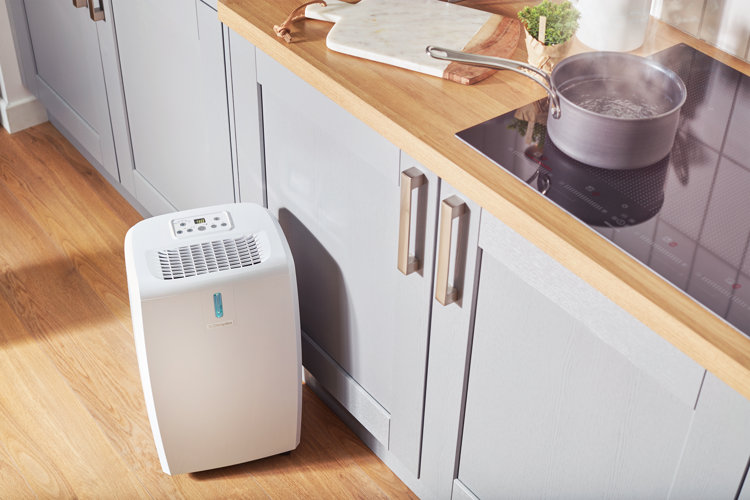
Humidifiers and dehumidifiers are portable appliances that help maintain optimal humidity in your home. Too much or too little humidity can negatively impact your home and health, so it's important to choose the right device to balance moisture levels. Keep reading for our comparison of humidifiers vs. dehumidifiers to help you choose the right one.
1. Determine the Humidity of Your Home
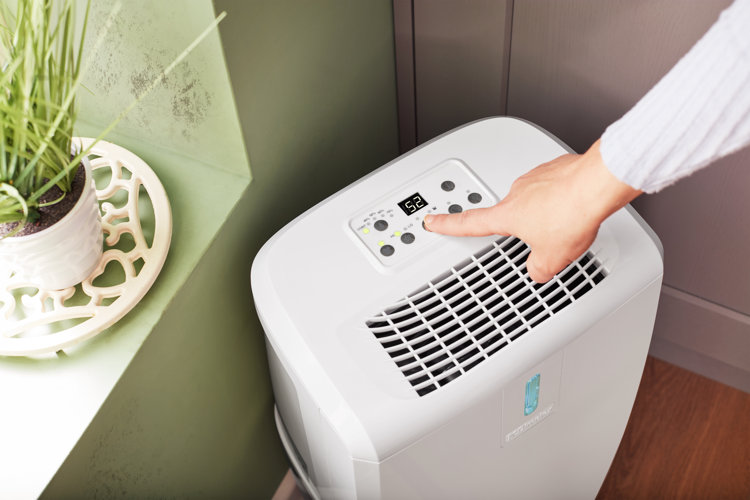
The first step to choosing the right appliance is to evaluate the current humidity levels in your home. Consider investing in a hygrometer – a thermometer for humidity – that will tell you the current humidity in your space. The recommended range of household humidity is 45% – 60% – lower means you could benefit from a humidifier and higher means you could use a dehumidifier. Use your hygrometer to adjust your humidifier or dehumidifier and determine your personal preference for humidity levels.
Tip!
Choose a humidifier or dehumidifier that comes with a built-in humidistat, which detects humidity levels and controls the device’s output to maintain a selected level of humidity.
What Are the Benefits of Humidifiers?
A humidifier is a device that releases water vapor into the air to increase the level of humidity in a space. Use humidifiers when the air in your space feels too dry, particularly during cold months when humidity is naturally lower. Whether it’s dry skin during winter months or a snoring partner, a humidifier could be exactly what you’ve been looking for.
- Prevents Dry Skin: Dry air, particularly during winter months, can lead to uncomfortably dry and cracked hands and lips. Humidifiers moisturize your space, making your home a haven from dry winter air and preventing your skin from drying out.
- Prevents the Spread of Viruses : Dry, indoor air is the perfect environment for the spread of airborne viruses. Moisture slows the spread of viruses through the air, sometimes causing them to drop to the ground instead of floating.
- Alleviates Cold Symptoms: Dry air can sometimes exacerbate cold and allergy symptoms such as a cough or dry throat. Using a humidifier can make the air in your home more comfortable while you’re sick – moist air soothes the throat and nasal passages.
- Prevents Snoring: Inhaling dry air while you sleep irritates the throat and exacerbates snoring. Moist air will soothe your throat and can improve the conditions that lead to snoring.
- Prevents Brittle Wood: Dry air can cause wood to become brittle, splinter, and shrink, threatening the stability of your furniture. Raising humidity levels will prevent damage from dry air.
- Limits Static Electricity: Static electricity is more common during dry, cold months and can be a major annoyance by shocking you or causing your clothes to stick together. A humidifier can prevent static electricity in your home.
- Improves Plant Health: Does a plant love anything more than water? Help your plants thrive indoors by increasing humidity levels, preventing dry and unhealthy leaves.
Tip!
Still unsure if a humidifier is right for you? Read our related guides Do I Need a Humidifier? How to Choose the Right Type of Humidifier for Your Needs and Humidifier Sizes: Choosing the Right Size for Your Space for more information.
What Are the Benefits of Dehumidifiers?
A dehumidifier is a device that filters moisture out of the air, lowering humidity levels. Dehumidifiers are used when the air in your space feels too moist, which may happen more frequently during warm months when humidity increases. A dehumidifier can solve many household problems that occur in moist environments.
- Prevents Mold: Mold and mildew thrive in warm, moist spaces. When mold spores are breathed in, they can trigger asthma and other respiratory issues. Dehumidifiers remove the moisture that mold and mildew thrive upon, reducing their spread.
- Eradicates Musty Smells: That funky smell you’ve been noticing may be the result of mold thriving upon the moist environment in your home. Dehumidifiers remove musty smells along with mold.
- Discourages Dust Mites: Dust mites thrive in warm and moist environments and can trigger asthma and allergies. They commonly live in couches, beds, and rugs. Using a dehumidifier will remove the moisture that encourages dust mites to thrive and will cut off the growth of their colonies.
- Removes Asthma or Respiratory Triggers: A dehumidifier prevents mold, dust mites, and other allergens, all of which can cause asthma attacks or exacerbate respiratory issues. If these are your triggers, a dehumidifier could greatly improve your symptoms.
- Prevents Water Damage: Household dehumidifiers can help prevent water damage in bathrooms, basements, and other humid spaces. They will help remove condensation that builds up on your walls and causes damage – protecting your home from paint bubbles or water stains.
- Keeps Bread Fresh Longer: If bread or other food items keep getting moldy before you can use them, consider using a dehumidifier to get rid of the moisture in your cabinets. The dehumidifier will dry out the air and prevent mold from developing.
- Discourages Insects: Insects love moist environments because they have exoskeletons that easily dry out. Chase insects out of your home by dropping the humidity levels, making your home an uncomfortable environment for insect invaders.
Tip!
Ready to optimize the humidity levels in your home with a dehumidifier? Read our related guides What Are the Benefits of a Dehumidifier? and How Many Dehumidifiers Do You Need in Your Home? to help you decide.
4. Compare the Uses of Humidifiers vs. Dehumidifiers
Which is better for colds and viruses?
Humidifiers are best for treating colds and preventing viruses. Cold symptoms can be somewhat relieved by breathing in moist air as opposed to dry air, and certain airborne viruses can be rendered nearly ineffective by a humidifier. The moisture in the air slows down the virus while it is floating around in the air, and then water molecules stick to the virus and drag it to the ground where it is less likely to infect you. Make sure to clean surfaces frequently if you are concerned about viral infections – the humidifier will drag the virus out of the air, but it may land on countertops.
Which is better for asthma and other allergies?
A dehumidifier is likely the best option for treating asthma and other allergies. Allergies can be triggered by irritants that thrive in moist environments, such as mold and dust mites. By removing these potential triggers from your home, your allergy symptoms may improve.
Which is better for cold weather?
Humidifiers are best for use in cold weather. Cold weather dries out the air and can lead to a variety of issues in the home. Humidifiers reintroduce moisture that can even help your house feel warmer.
Which is better for warm weather?
Dehumidifiers are the best option for warm weather. Warm weather saturates the air, which can lead to mold growth and other issues in your space. A dehumidifier will reduce moisture in the air and make your home more comfortable.
Tip!
ENERGY STAR–compliant dehumidifiers are rated by the EPA (Environmental Protection Agency) as more energy-efficient than the industry standard. Look for these certified appliances to help you save on monthly bills.
